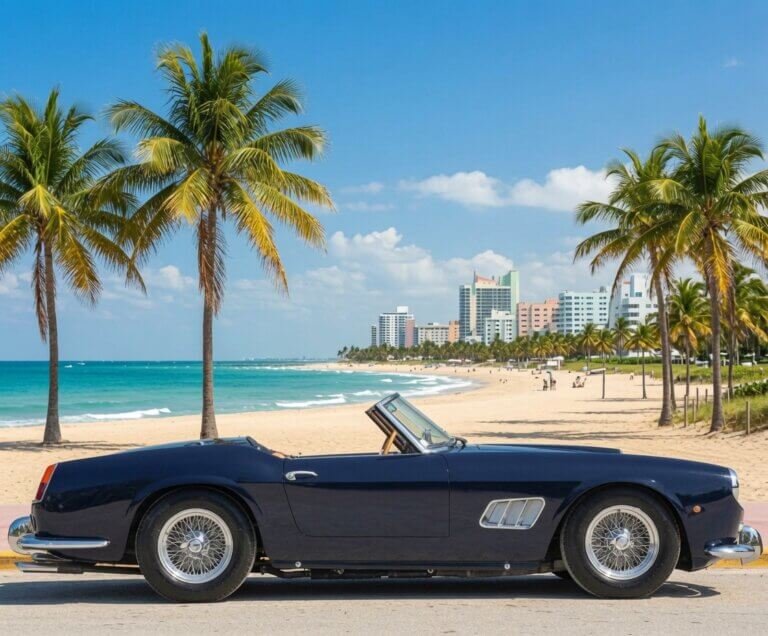
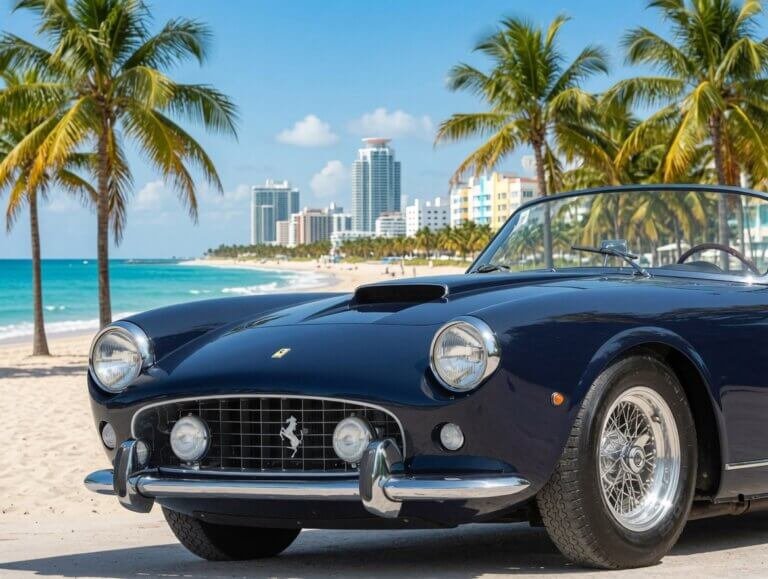
Ferrari 250 GT SWB California Spyder
FOR SALE
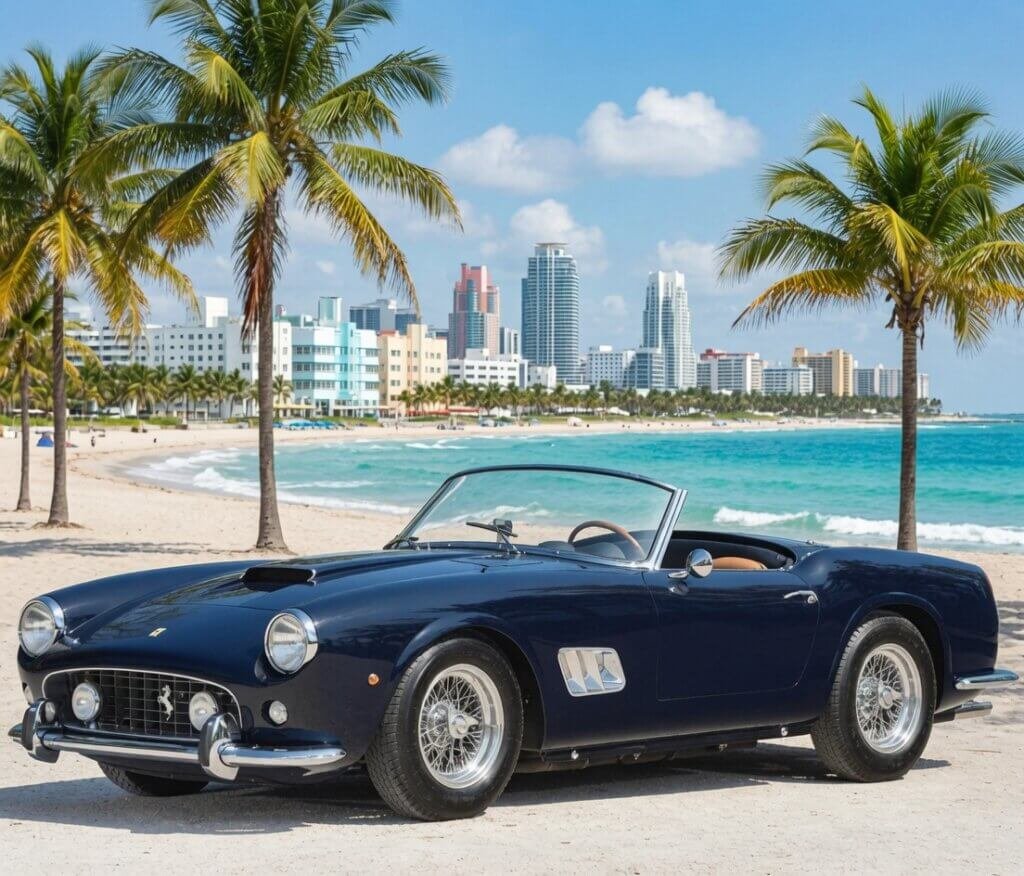
The 1961 Ferrari 250 GT Short Wheelbase (SWB) California Spyder represents one of the most celebrated open-top grand touring cars ever produced. Designed specifically to satisfy the desires of affluent American enthusiasts, it combined Ferrari’s proven competition engineering with breathtaking Italian styling. Beneath its elegant lines lay the same DNA that powered Ferrari’s successful GT racing program, making it equally at home cruising along the California coastline or competing on the world’s most demanding circuits.
Ferrari Style
Styled by Pininfarina and handcrafted by Carrozzeria Scaglietti, the California Spyder remains a symbol of automotive perfection. Only 56 examples of the highly sought-after SWB variant were built between 1960 and 1963, making it one of the rarest and most valuable Ferraris ever produced. Today, these blue-chip collector cars regularly achieve auction results ranging from $15 million to well over $25 million, with exceptional examples commanding even higher prices.
Why Ferrari Built the California Spyder
The California Spyder owes its existence largely to Ferrari’s influential American distributors, Luigi Chinetti and John von Neumann. During the late 1950s, both men recognized a growing market among wealthy American buyers who wanted a car that blended race-winning performance with open-air luxury. While Enzo Ferrari initially focused on closed competition cars and grand tourers, Chinetti and von Neumann successfully convinced him that there was strong demand—particularly in California—for a convertible Ferrari capable of being driven to the racetrack, raced competitively, and then comfortably driven home.
Their vision proved remarkably accurate. The California Spyder quickly became a favorite among celebrities, sports car enthusiasts, and amateur racers who appreciated its versatility and exclusivity.
Production and Construction
A total of approximately 106 Ferrari California Spyders were produced across both long-wheelbase (LWB) and short-wheelbase (SWB) versions. The 1961 model belongs to the SWB generation, which featured a wheelbase shortened by 200 mm compared to its predecessor. This revision significantly improved agility, cornering response, and overall driving dynamics.
Each car was individually crafted using traditional coachbuilding techniques. Most examples were constructed with steel body panels over a tubular chassis, while a small number of lightweight aluminum-bodied Competizione models were built specifically for racing purposes. Buyers could also choose between covered headlights or the more conventional open-headlight configuration, adding another layer of individuality to these already exclusive automobiles.
We discreetly source and place vehicles of this calibre for private clients.
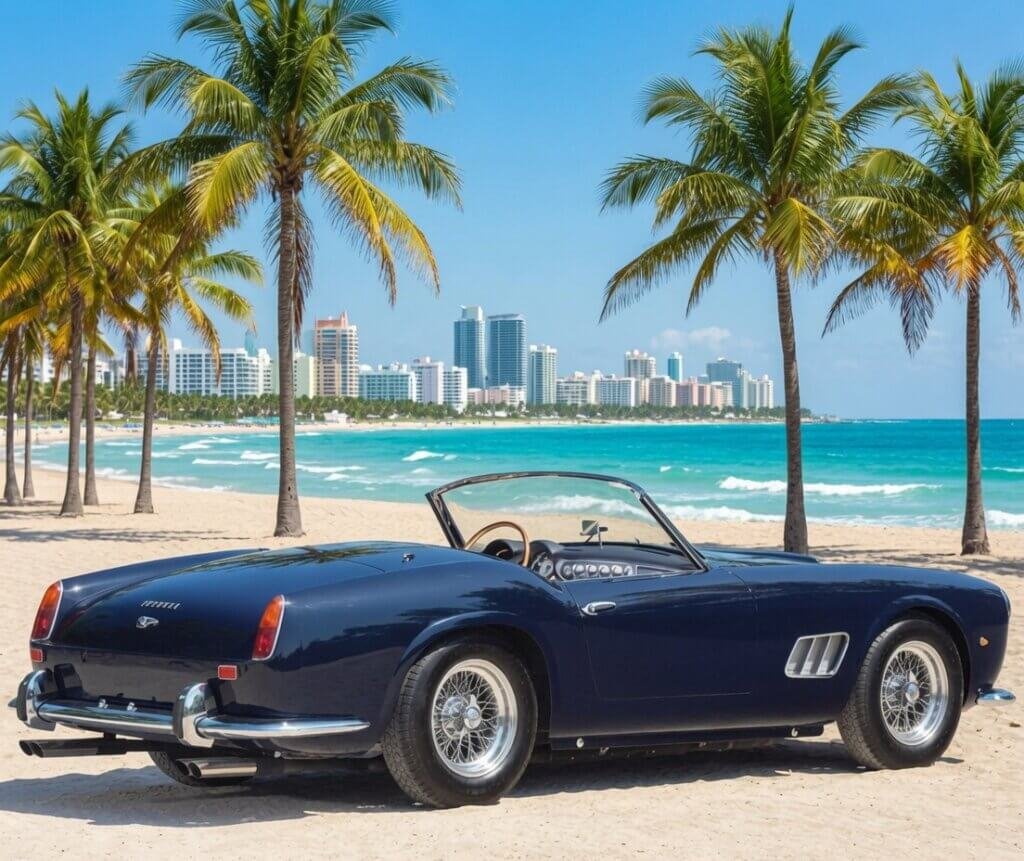
Engine and Performance
Powering the 250 GT SWB California Spyder was Gioacchino Colombo’s legendary 3.0-liter V12 engine, an engine family widely regarded as one of Ferrari’s greatest creations. Equipped with triple Weber carburetors, the V12 produced approximately 280 horsepower at 7,000 rpm and delivered its power with the smoothness and unmistakable sound that became a Ferrari trademark.
Key specifications included:
- Engine: 2,953 cc Colombo V12
- Power Output: Approximately 280 hp
- Induction: Triple Weber carburetors
- Transmission: 4-speed manual gearbox
- Top Speed: Around 150 mph (240 km/h)
These impressive figures made the California Spyder one of the fastest open sports cars of its era.
Racing Heritage and Driving Dynamics
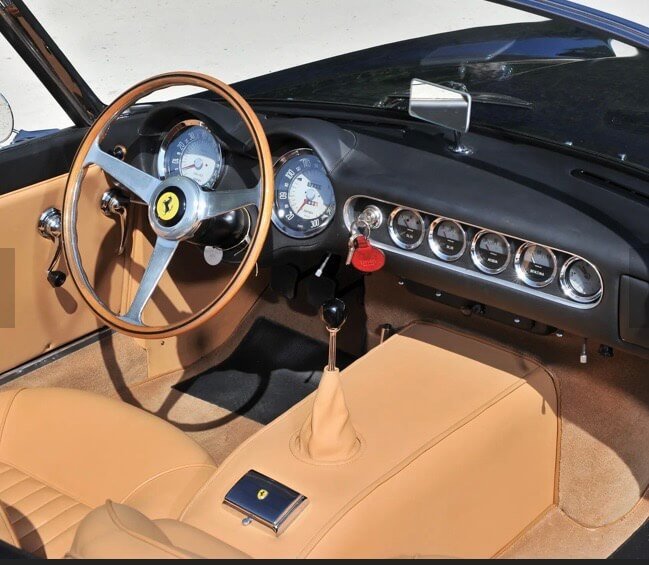
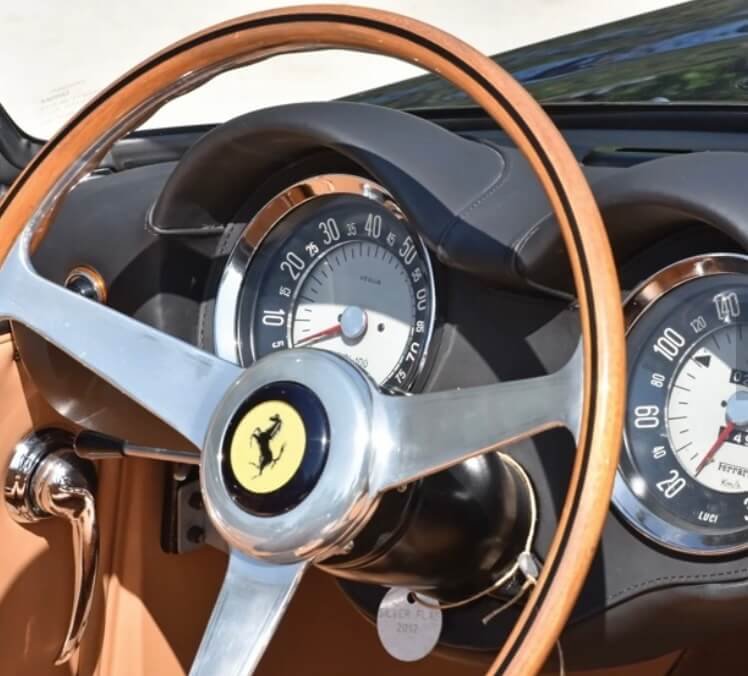
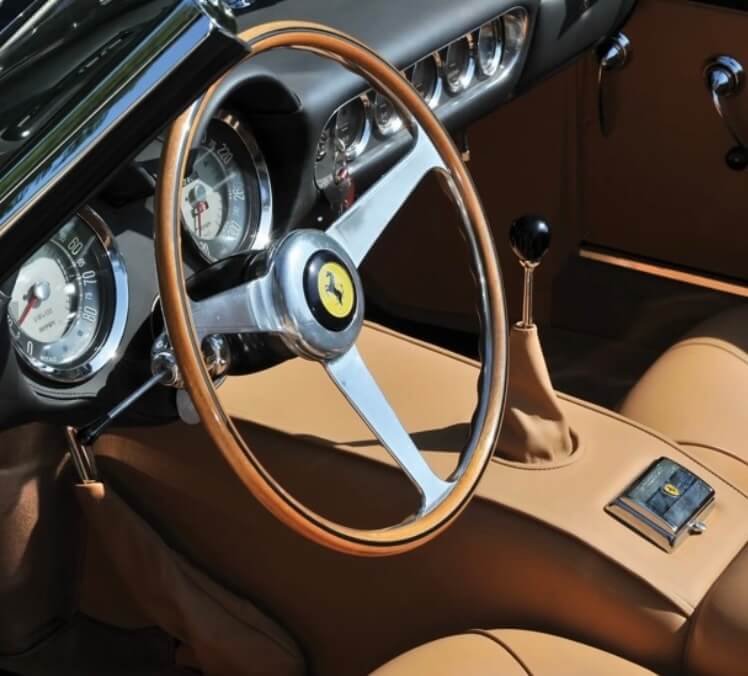
Although often remembered for its beauty and glamour, the SWB California Spyder was fundamentally a performance machine. The shortened chassis provided sharper handling than the earlier long-wheelbase version, while four-wheel Dunlop disc brakes and Koni adjustable shock absorbers enhanced stopping power and road holding. The result was a remarkably balanced sports car that excelled on both road and track.
Several examples competed successfully in endurance events and GT-class races during the early 1960s. The car’s combination of speed, reliability, and drivability made it a formidable competitor, while its refined interior ensured comfort during long-distance journeys.
Cultural Significance
Beyond motorsport, the California Spyder became an icon of wealth, sophistication, and style. It attracted a distinguished clientele that included actors, musicians, business leaders, and European aristocracy. One of the most famous examples was owned by Hollywood actor James Coburn, whose car later became one of the most valuable Ferraris ever sold at auction.
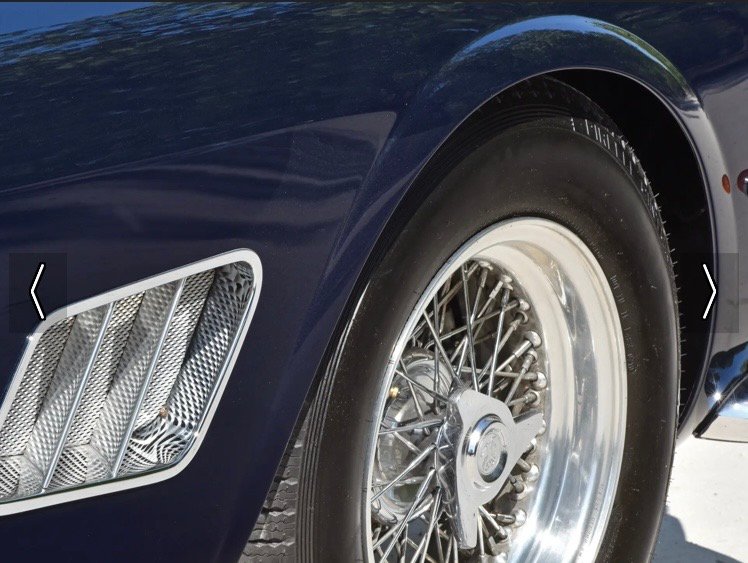
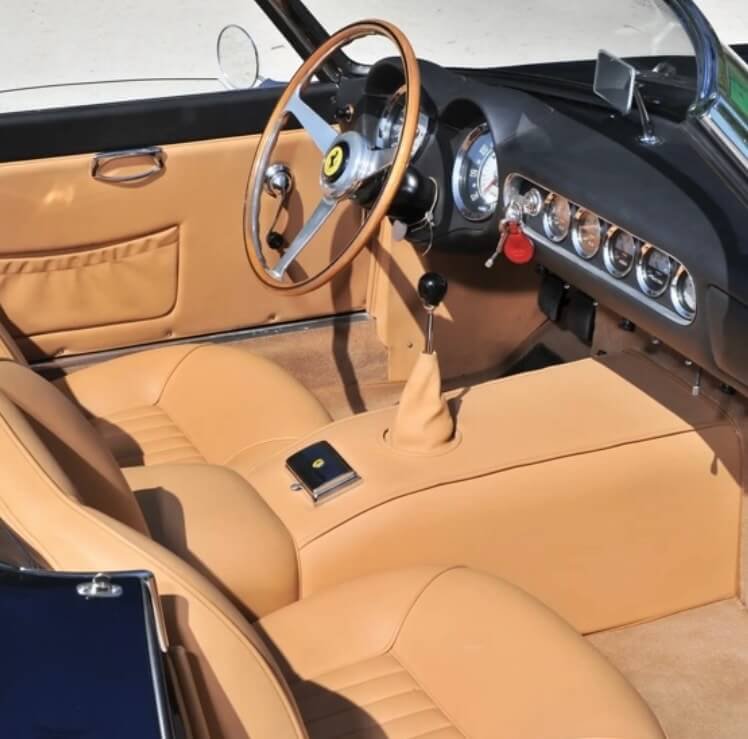
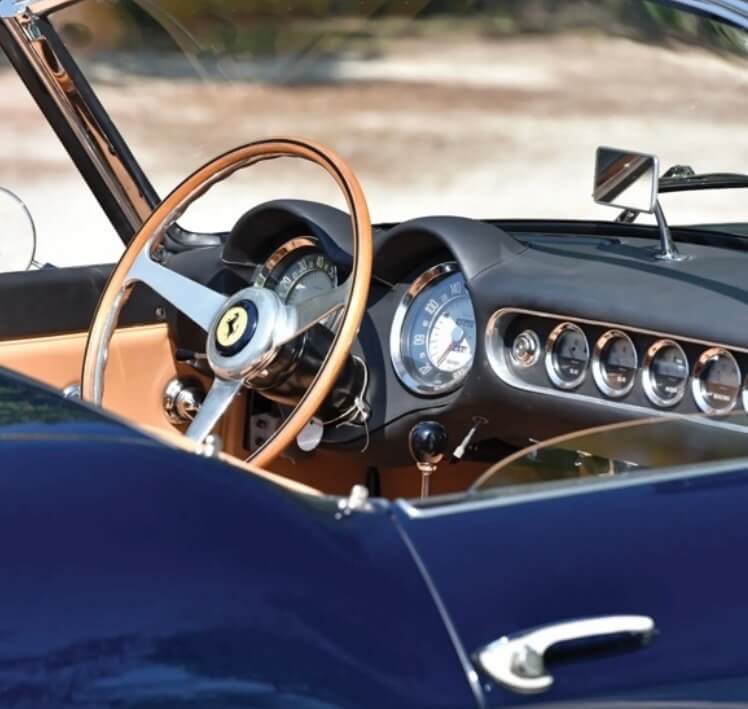
Its timeless proportions, sweeping fenders, and minimalist elegance have led many historians and collectors to describe the SWB California Spyder as one of the most beautiful automobiles ever created.
Collectability
Among Ferrari collectors, the 250 GT SWB California Spyder occupies a position at the very top of the market. Its rarity, competition pedigree, celebrity ownership history, and stunning design make it one of the most coveted collector cars in existence. The model appeals equally to Ferrari enthusiasts, investors, and concours competitors, ensuring continued demand among the world’s most discerning collectors.
Current Market Value
The Ferrari 250 GT SWB California Spyder remains firmly established in the elite eight-figure segment of the collector car market. Values are influenced by originality, ownership history, racing provenance, factory documentation, Ferrari Classiche certification, and body construction. Aluminum-bodied Competizione examples typically command the highest premiums.
Today, outstanding examples routinely sell for between $15 million and $25 million, while historically significant cars with exceptional provenance can exceed those figures. More than six decades after its introduction, the 1961 Ferrari 250 GT SWB California Spyder continues to stand as one of the most desirable and valuable classic automobiles ever built.