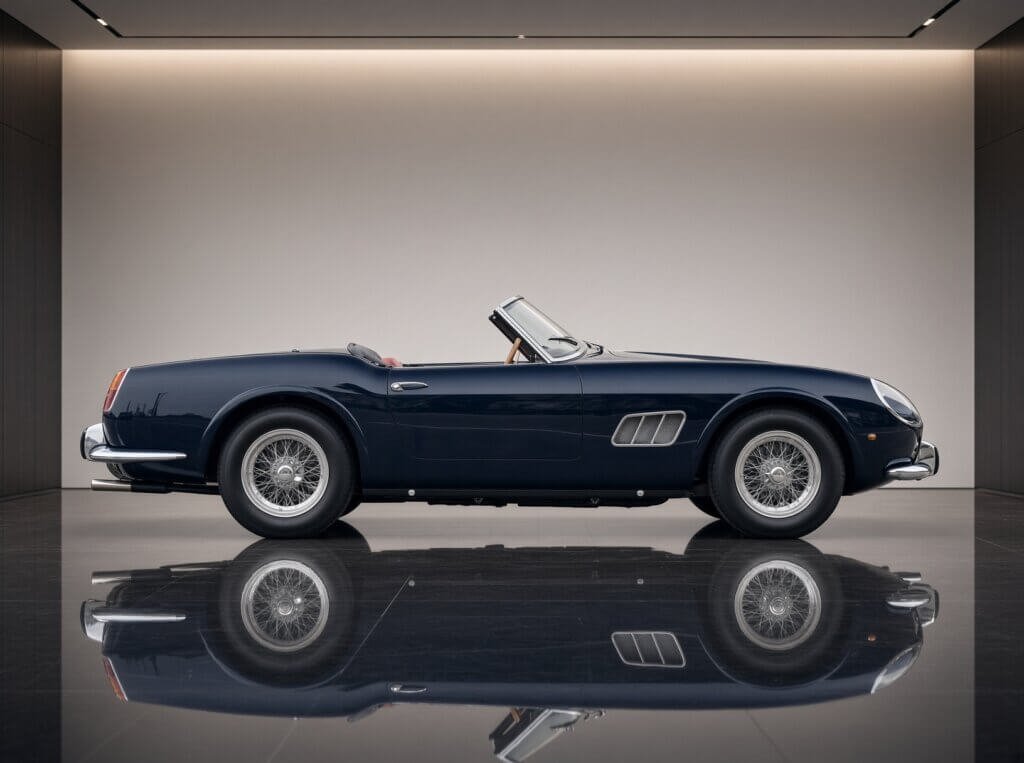
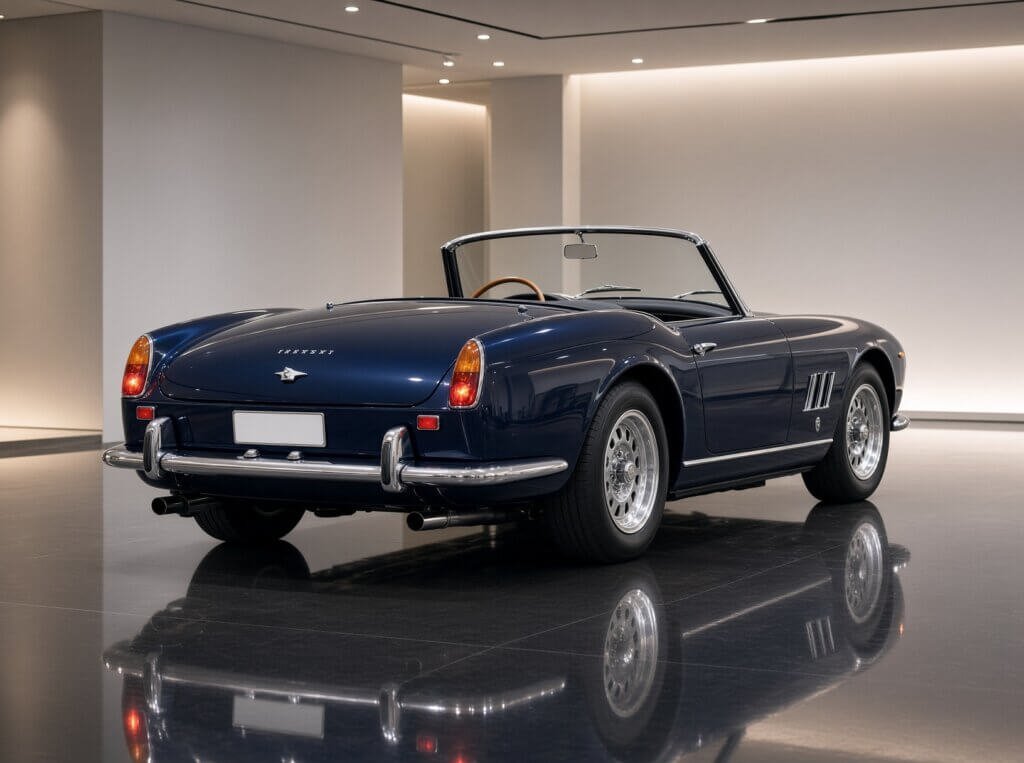
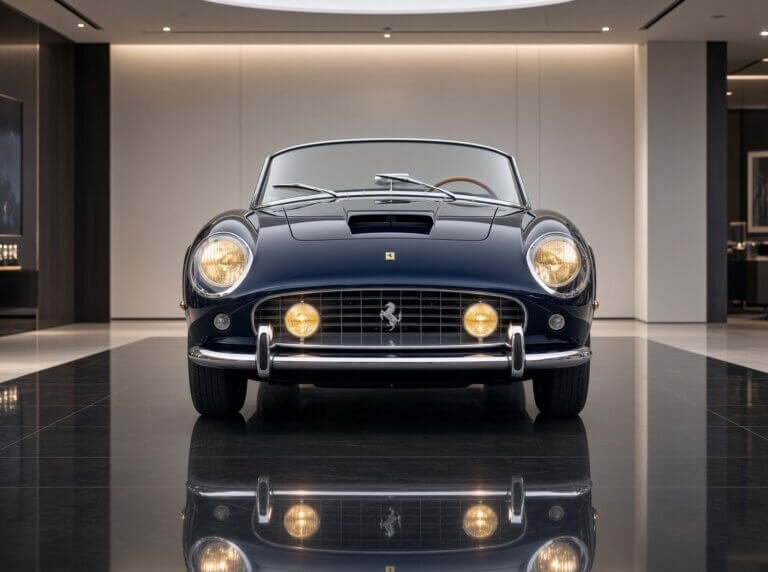
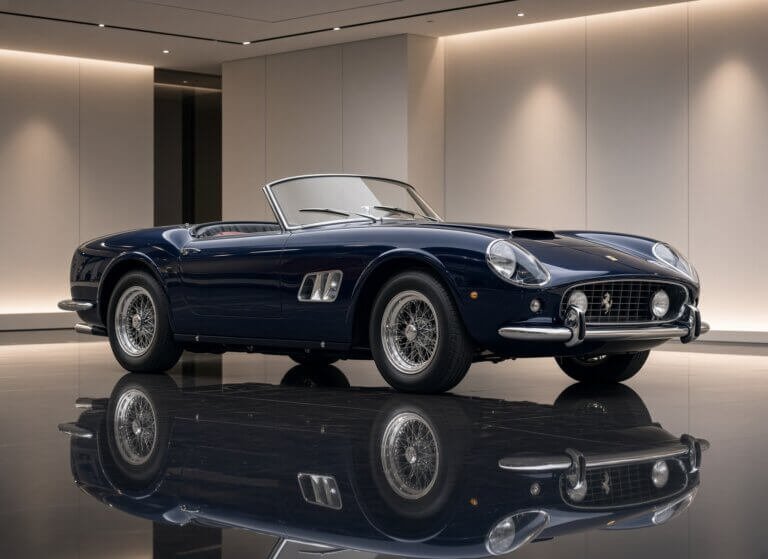
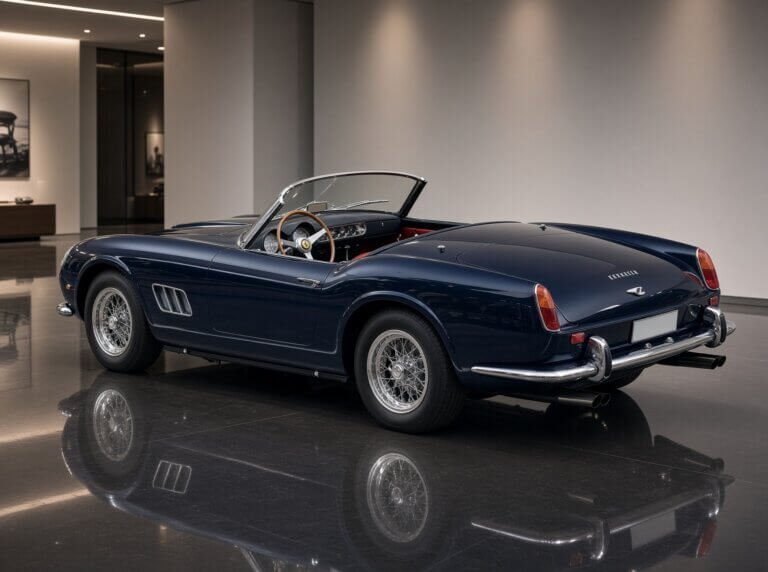
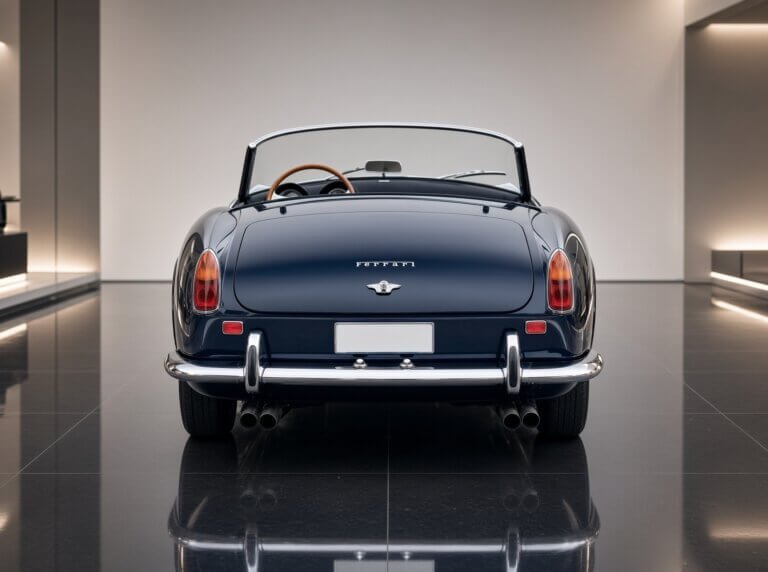
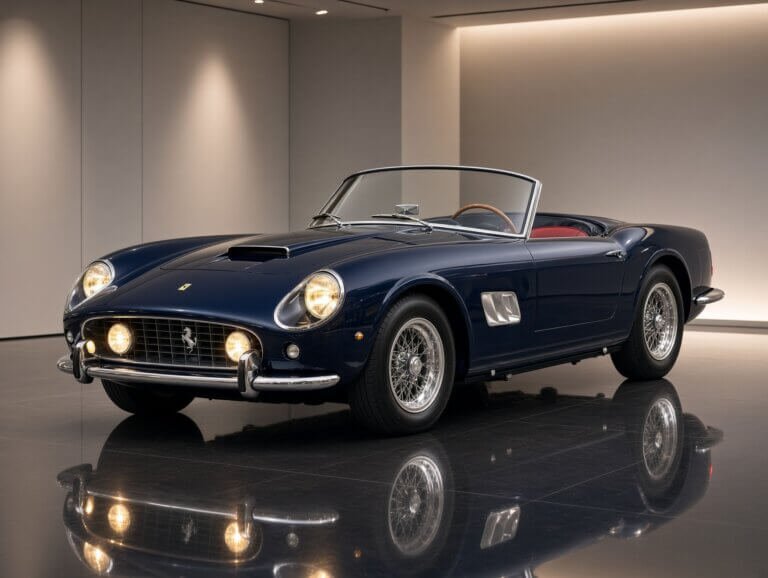
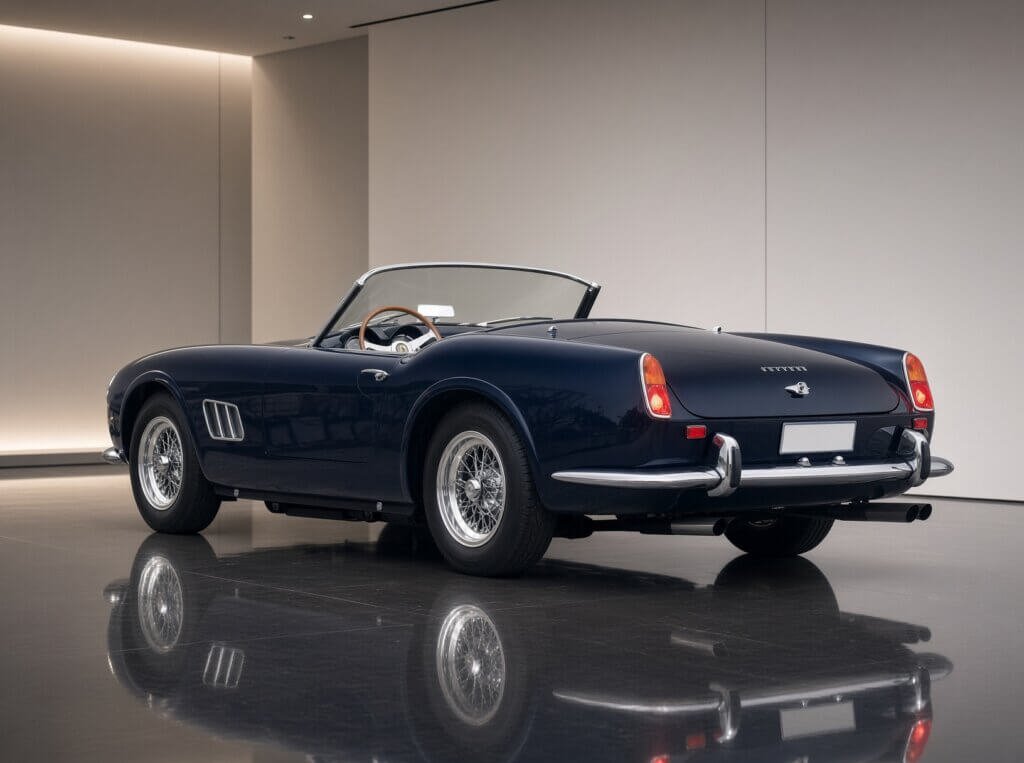
Few Ferraris have achieved the cultural status of the 250 GT California Spider.
Created largely because Ferrari’s American customers wanted an open Ferrari capable of combining high-speed touring with sporting performance, the California Spider became one of the ultimate symbols of 1950s and early-1960s glamour.
It was conceived with the American market in mind but developed in Italy, combining Ferrari’s competition technology with elegant open coachwork by Scaglietti.
The later short-wheelbase cars are particularly coveted.
The idea came from Ferrari’s American representatives, particularly Luigi Chinetti and John von Neumann.
Customers in California wanted an open Ferrari that could be driven on the road but still retain the performance and sporting character of the 250 GT.
Chinetti persuaded Enzo Ferrari to approve the project and Sergio Scaglietti was tasked with bringing the concept to production.
The name California Spider was therefore unusually direct: it was intended to appeal to the sunny Californian lifestyle.
The California Spider was based initially on the long-wheelbase 250 GT chassis before evolving into the shorter-wheelbase version.
The SWB cars are especially desirable because of their shorter 2,400 mm chassis and improved handling.
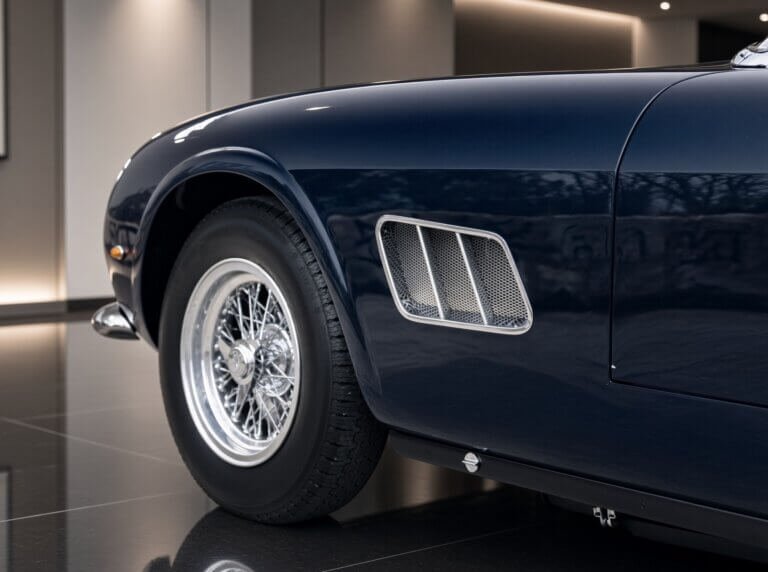
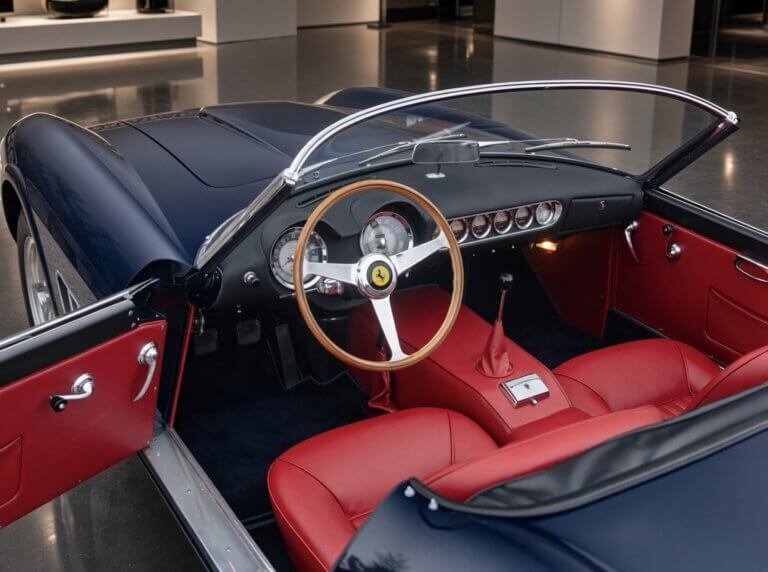
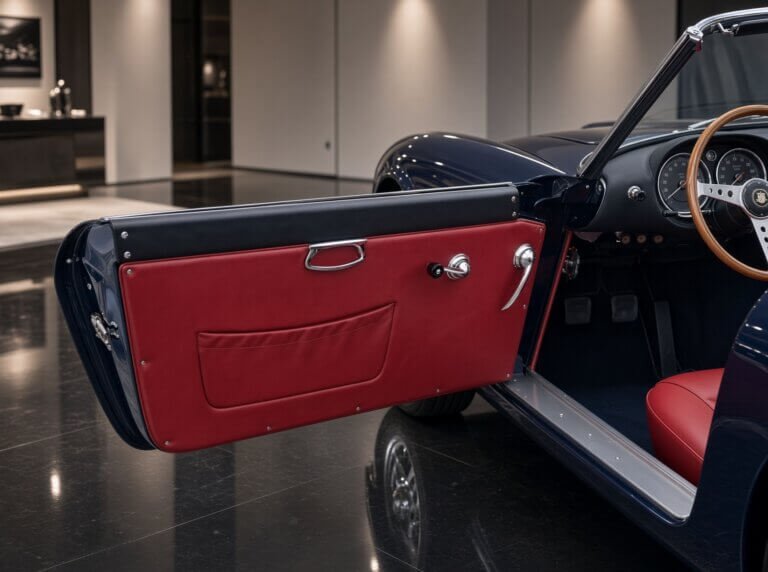
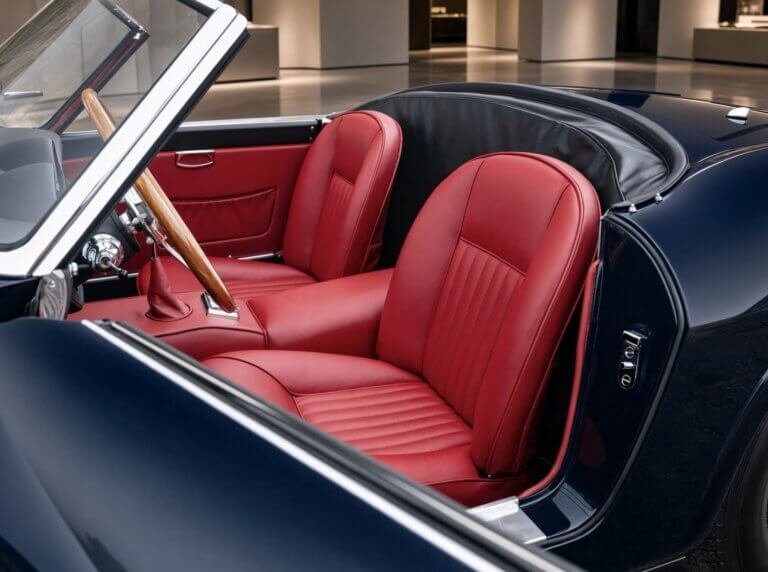
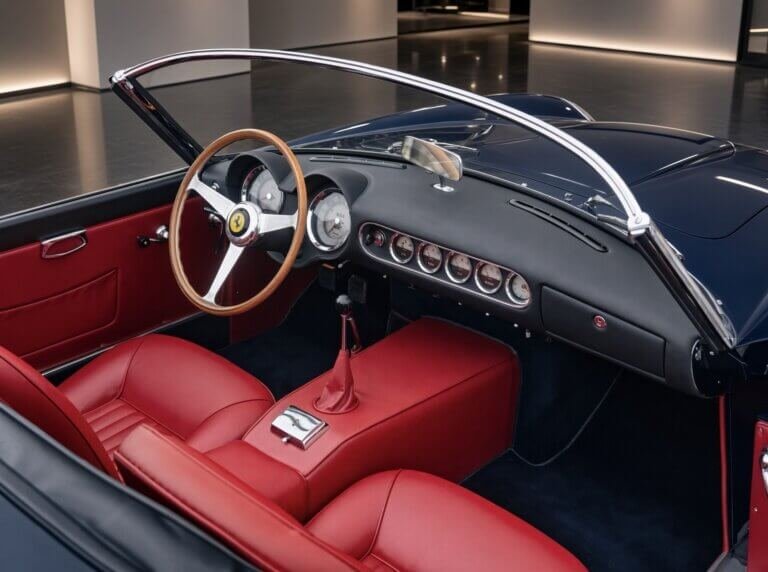
Scaglietti’s hand-built aluminium and steel coachwork gave the car an elegant but purposeful appearance.
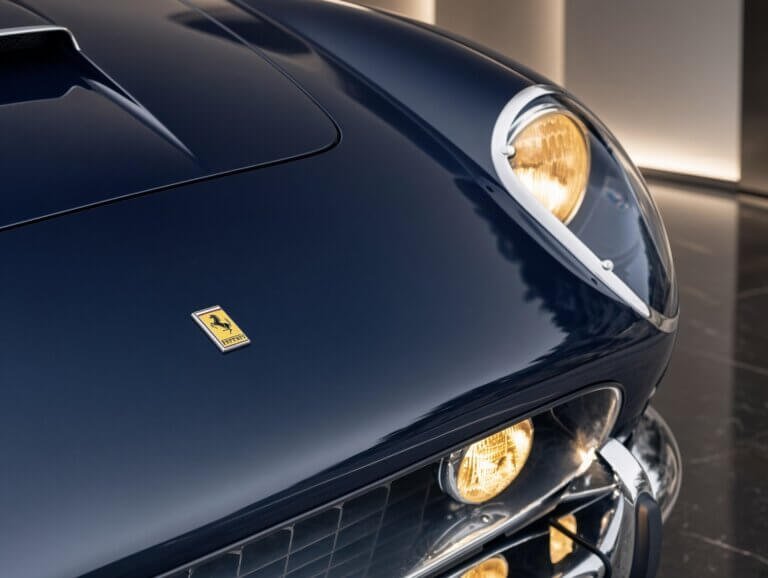
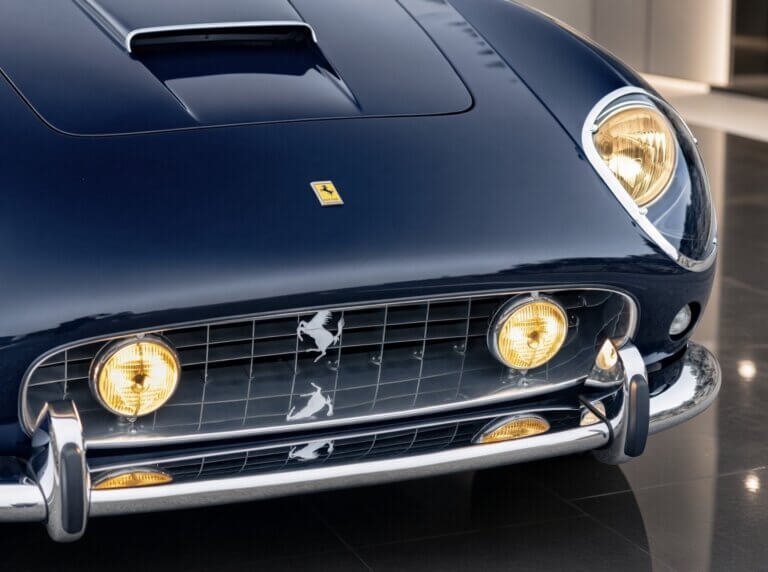
Covered and open headlights are among the details that distinguish individual cars, while many examples were specified with competition equipment.
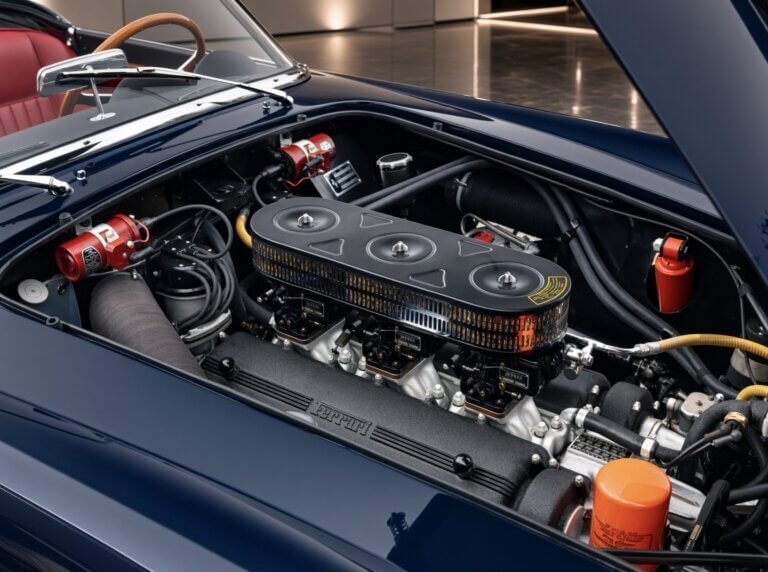
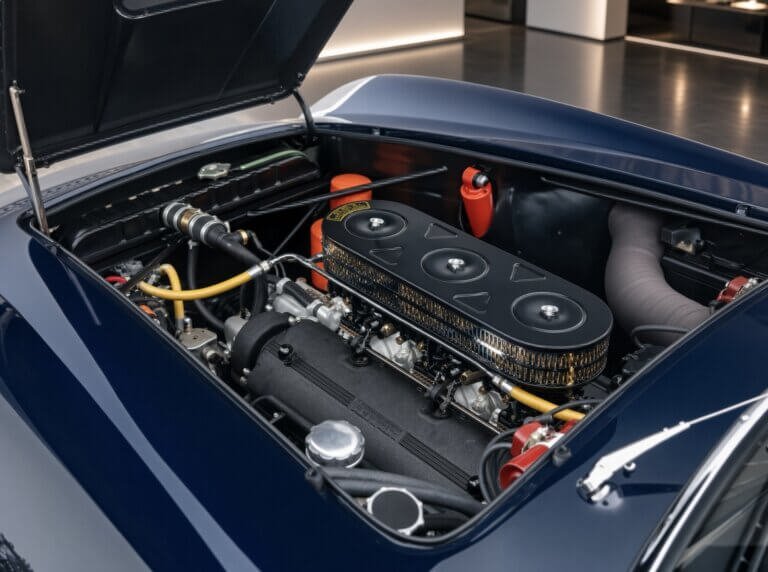
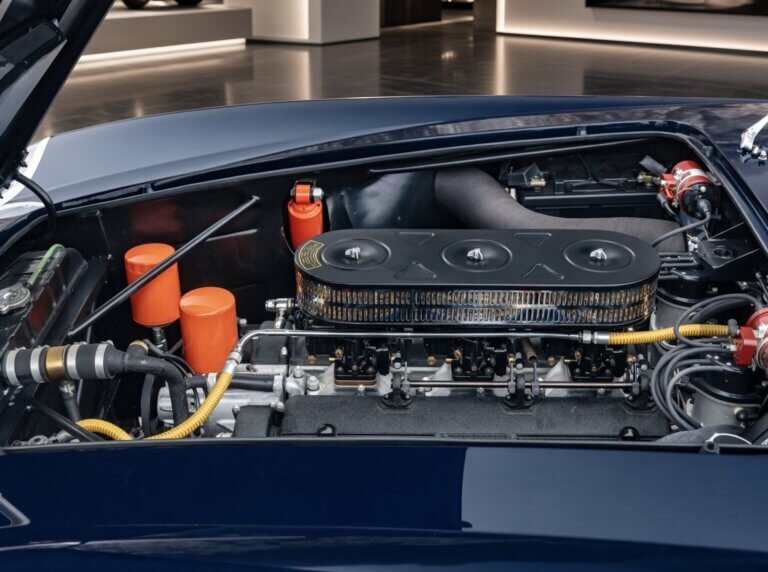
Engine Specifications
Specification | 250 GT California Spider SWB |
Engine | 60-degree V12 |
Displacement | Approx. 2,953 cc |
Induction | Triple Weber carburettors |
Power | Approx. 280 bhp |
Transmission | 4-speed manual |
Drive | Rear-wheel drive |
Brakes | Four-wheel discs on later cars |
Top speed | Approximately 250–270 km/h |
Production | 106 total Californi |
The SWB’s 280 bhp engine gave the car remarkable performance for a 1960s open GT.
The California Spider sits at the intersection of several collector-car themes:
Although conceived primarily as road cars, several California Spiders were used competitively.
The model achieved notable results in events including Sebring and the SCCA championship.
One NART-entered California Spider finished fifth overall at Le Mans in 1959, demonstrating that the open Ferrari was considerably more than a fashion statement.
We discreetly source and place vehicles of this calibre for private clients.
Ferrari produced the first California prototype in 1957.
Long-wheelbase cars followed from 1958, while SWB production ran approximately from 1960 to 1963.
There were only 56 SWB California Spiders, making the configuration particularly important to collectors.
Covered-headlamp examples are especially desirable.
The 250 GT California Spider is one of the few classic cars that transcends the collector-car world.
Its appearance, rarity, Ferrari provenance and connection to Hollywood-era glamour have made it one of the most recognisable collector automobiles ever produced.
For Monaco Classic Cars, this is a natural flagship car.
Collector appeal: Exceptional