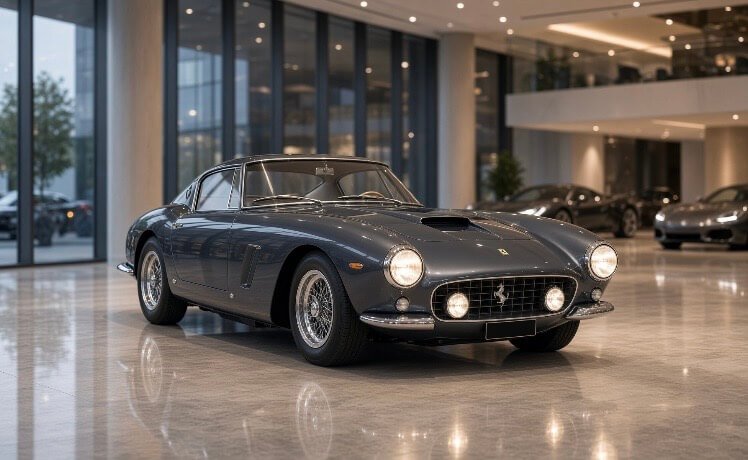
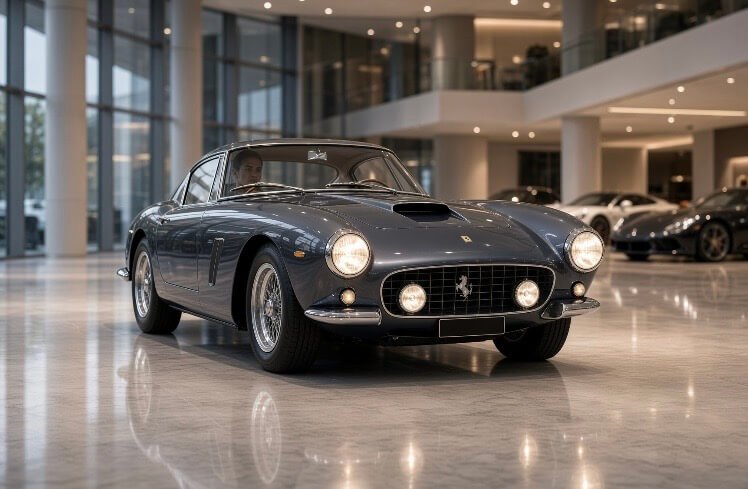
Ferrari 250 GT SWB Berlinetta
FOR SALE
1959–1962 | 3.0-litre V12 | up to 280 bhp | 176 examples
The Ferrari 250 GT SWB Berlinetta is one of the defining Ferraris of the early 1960s. It combined the sophistication of a road-going GT with the competitiveness of a genuine racing car, allowing its owner to drive to the circuit, compete at the highest level and drive home again.
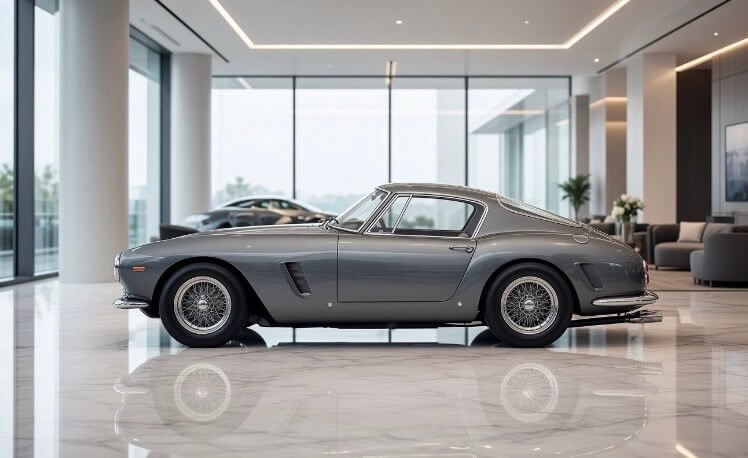
Its name describes its most important engineering change: the wheelbase was shortened to 2,400 mm, improving agility and allowing Ferrari to create a car that was considerably more effective through corners than its longer-wheelbase predecessors.
Designed around a compact Colombo-derived V12 and clothed by Scaglietti in a Pininfarina-designed body, the SWB became one of the most successful GT Ferraris of its generation.
Why Was It Designed?
Ferrari needed a GT that could compete internationally while remaining sufficiently civilised for wealthy private customers.
The earlier 250 GT Tour de France had already established Ferrari’s reputation in GT competition. The SWB took that concept further by shortening the chassis and reducing weight.
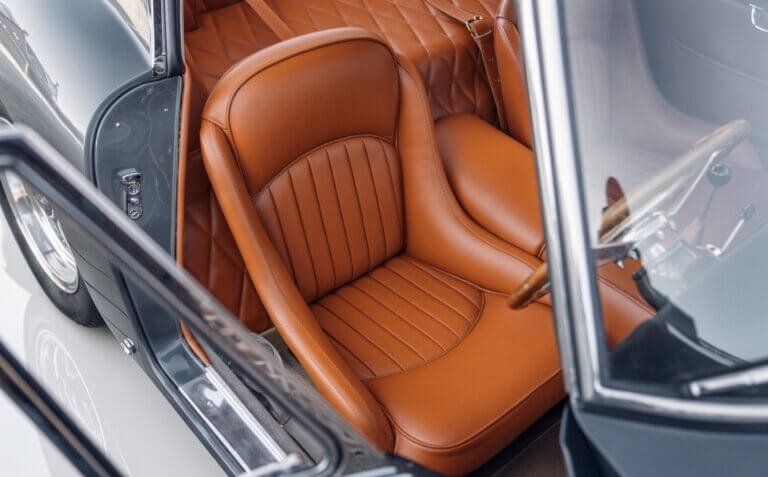
The result was a remarkably versatile machine. Customers could order cars with road-going specification or increasingly competition-focused equipment, including lightweight aluminium coachwork.
The 250 GT SWB subsequently became an important foundation for the development of the 250 GTO.
The Design
The body was designed by Pininfarina and constructed by Carrozzeria Scaglietti.
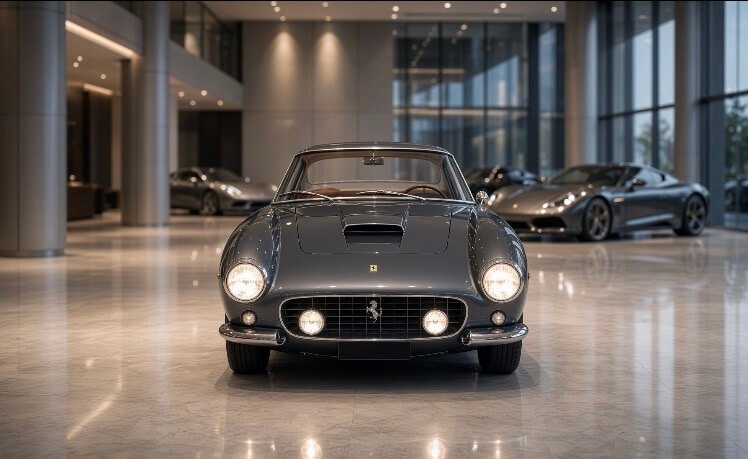
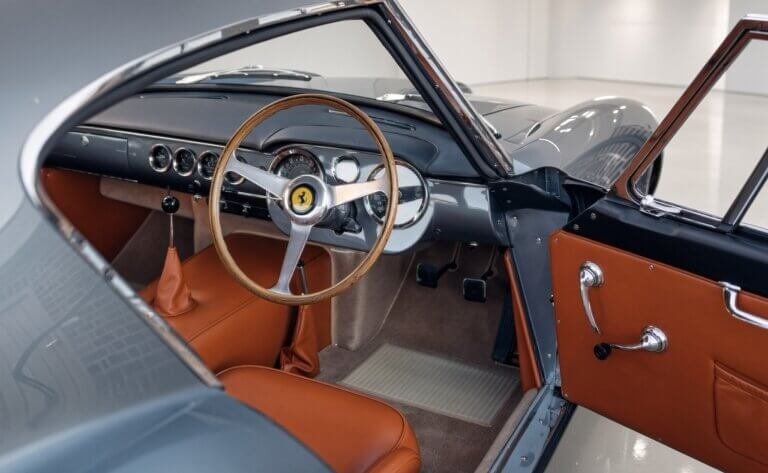
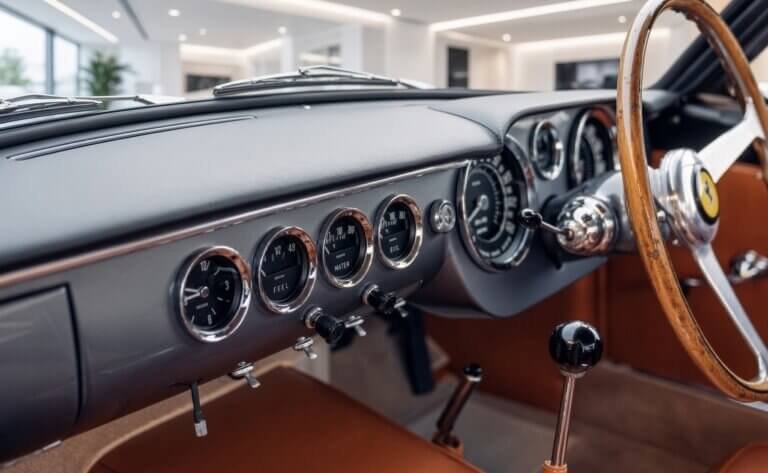
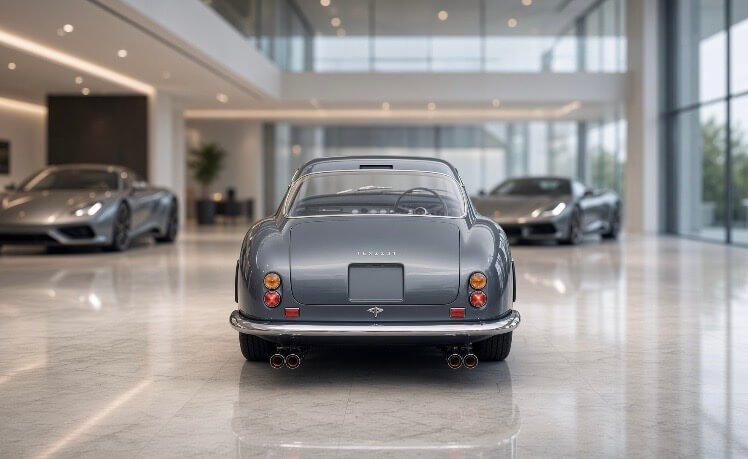
The proportions are remarkably compact: a long bonnet, small cabin, short rear deck and pronounced wheel arches. Unlike many later performance cars, there is little visual clutter.
The short wheelbase gives the car a particularly purposeful stance.
Competition versions could be built with lightweight aluminium bodywork, while many road cars used steel coachwork with aluminium opening panels.
The result is often regarded as one of the great Ferrari shapes — elegant enough for a concours lawn but sufficiently aggressive to look completely natural on a racing circuit.
Engineering & Construction
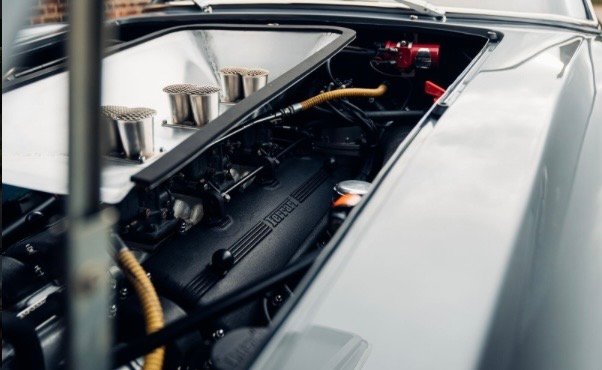
At the heart of the SWB is Ferrari’s 3.0-litre Colombo V12.
The chassis employed independent front suspension and a live rear axle, while four-wheel Dunlop disc brakes provided considerably stronger stopping performance than the drum-braked systems common on many contemporary GTs.
The engineering philosophy was simple: reduce weight, increase usable power and make the car more controllabl
Specification | Ferrari 250 GT SWB |
Engine | 60-degree V12 |
Displacement | 2,953 cc |
Induction | Triple Weber carburettors |
Power | Approx. 240–280 bhp |
Transmission | 4-speed manual |
Drive | Rear-wheel drive |
Wheelbase | 2,400 mm |
Brakes | Four-wheel Dunlop discs |
Top speed | Approximately 150 mph / 240 km/h |
Production | Approximately 176 examples |
Exact specification varied considerably between road, Lusso and competition cars.
Racing History
The SWB’s greatest achievement was its ability to compete successfully against purpose-built racing machinery while remaining a usable GT.
Ferrari’s 250 GT SWB helped secure the manufacturer’s 1961 GT championship and won the Tour de France Automobile in 1960, 1961 and 1962.
Its competition success also provided the engineering and racing knowledge that contributed to the 250 GTO.
We discreetly source and place vehicles of this calibre for private clients.
Production
Approximately 176 examples were produced between 1959 and 1962, although historical sources differ slightly on the precise total depending on how individual specifications and chassis are classified.
The important distinction for collectors is not simply the number produced, but the individual chassis history.
An alloy-bodied competition car with documented period racing history can be worth dramatically more than a standard road-going example.
What Makes It Collectible?
The SWB occupies a rare position in Ferrari history.
It is:
- A genuine competition Ferrari
- A Pininfarina/Scaglietti design
- Powered by the legendary Colombo V12
- Closely related to the 250 GTO
- Rare enough to be genuinely exclusive
- Usable compared with many earlier competition Ferraris
- Highly sensitive to provenance and originality
For serious collectors, chassis history matters enormously. Original engine, gearbox, bodywork, matching numbers, period racing history and documented ownership can all materially change value
2026 Market Value
Indicative 2026 collector value: approximately $6 million–$12 million+
Exceptional competition examples with extraordinary provenance can exceed this range.
This should be treated as an editorial market indication rather than a formal valuation. Individual cars can vary substantially according to originality, provenance, specification, restoration quality and competition history.
Year | Auction | Result |
2023 | Gooding & Company, Pebble Beach | $9,465,000 |
2023 | RM Sothebys, Villa Erba | €6,586,250 |
2026 | Current market |
One of the strongest public benchmarks is chassis 3507 GT, an unrestored 1962 example that sold for $9,465,000 at Gooding’s 2023 Pebble Beach auction.
The Collector’s Verdict
The 250 GT SWB Berlinetta is arguably the perfect expression of the classic Ferrari formula: beautiful coachwork, a magnificent V12 and genuine competition ability.
It is not merely an old Ferrari. It represents the moment when Ferrari’s road and racing programmes were almost inseparable.
Collector appeal: Exceptional