Monaco Classic Cars

Ferrari F50

FOR SALE

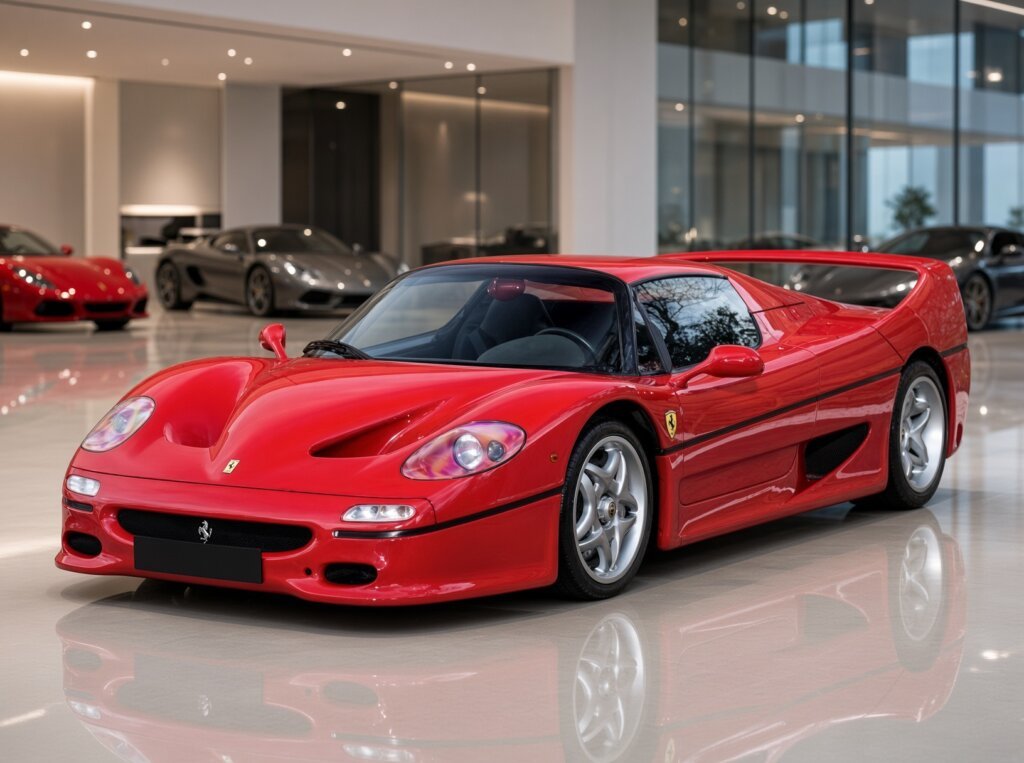
Ferrari F50

.1995–1997 | 4.7-litre V12 | 520 bhp | 349 examples

The Ferrari F50 was Ferrari’s answer to a difficult question: how do you build a road car that comes as close as possible to a Formula 1 car?

The answer was uncompromising.

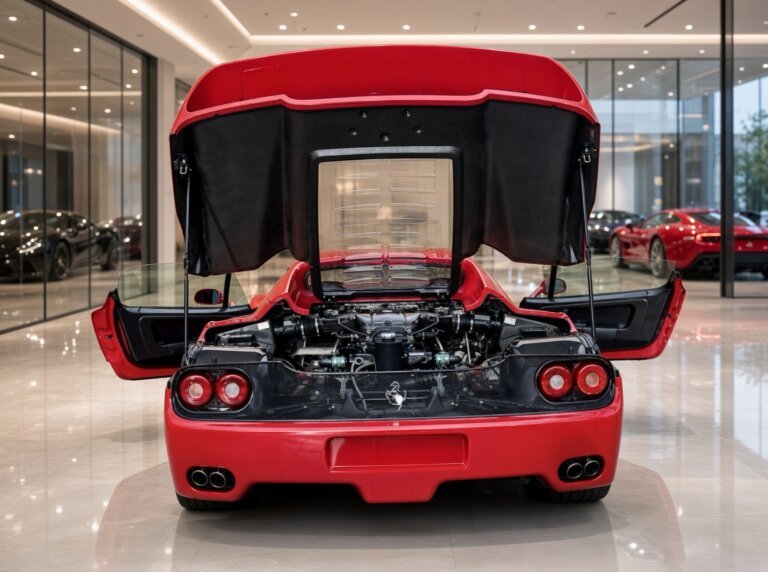
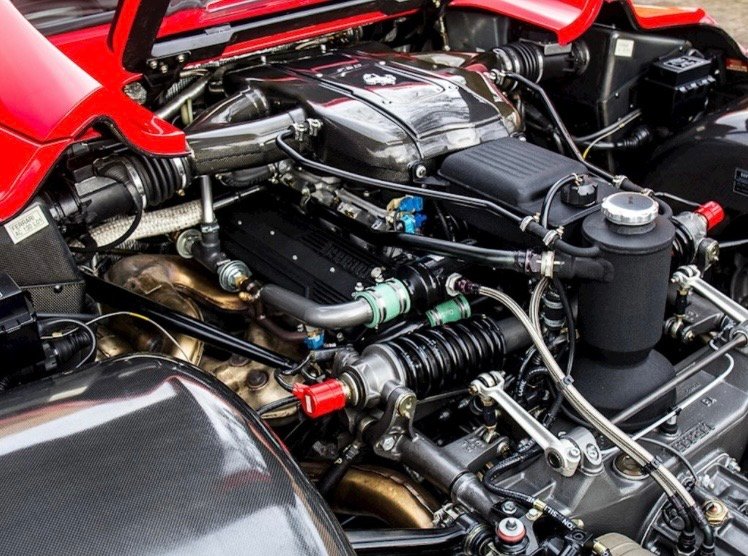
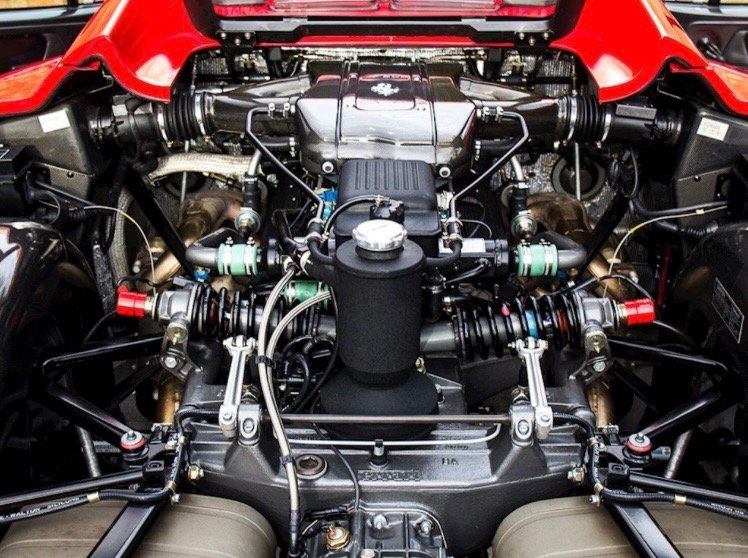
A naturally aspirated V12 derived from Ferrari’s Formula 1 programme was installed as a stressed member of the carbon-fibre chassis.

Push-rod suspension was used.

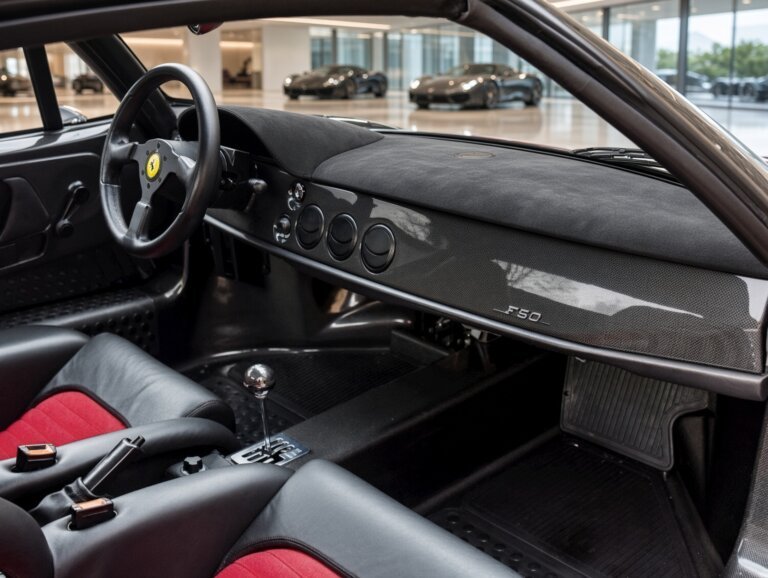
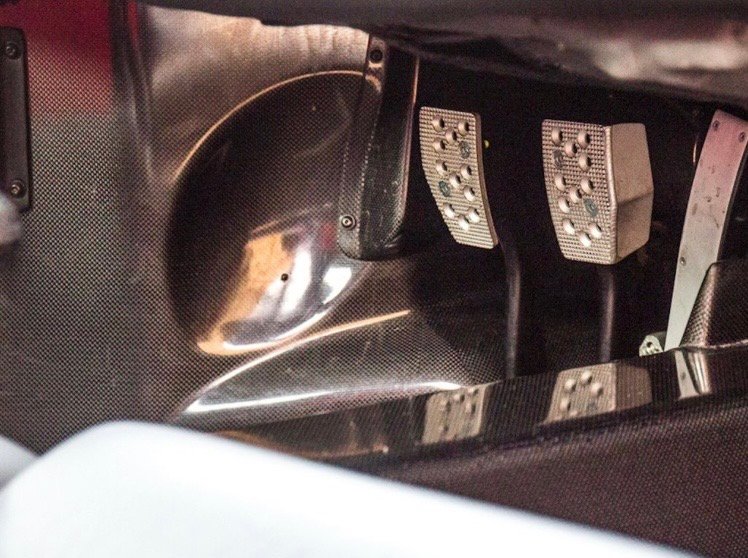
The steering had no power assistance.

There was no ABS.

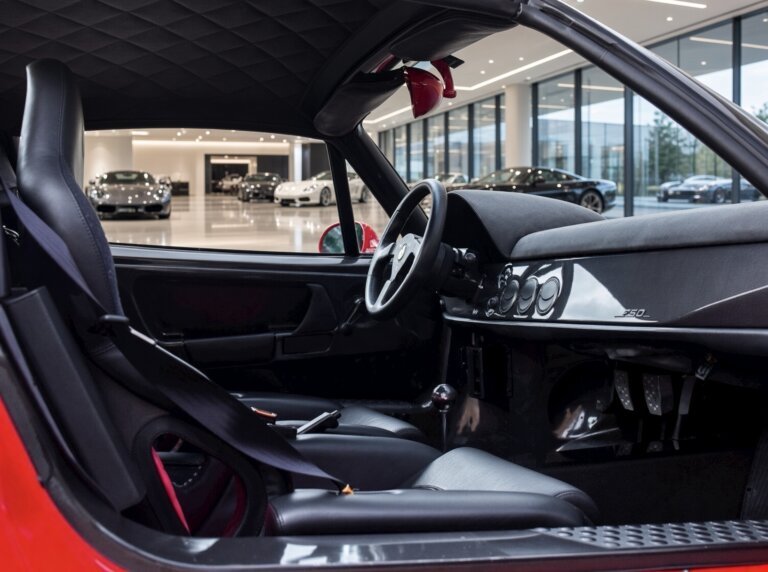
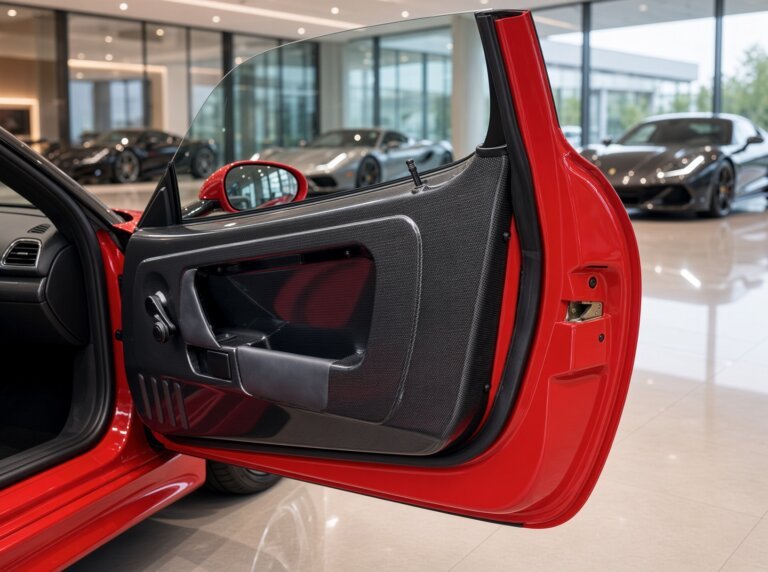
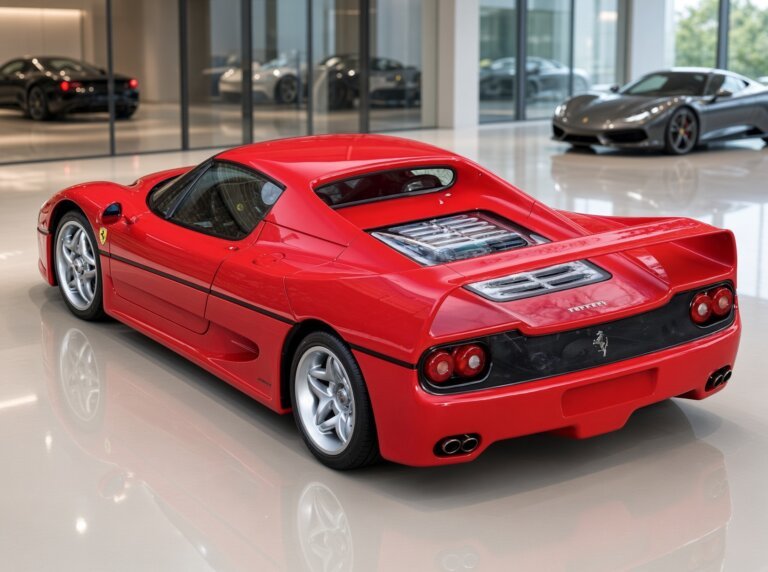
The roof could be removed to create an open Targa-style driving experience.

The F50 was deliberately closer to a racing machine than the softer grand touring supercars that surrounded it.

Why Was It Designed?

The F50 was created to celebrate Ferrari’s 50th anniversary.

But it was also intended to demonstrate the technology Ferrari could transfer from Formula 1 into a road car.

The result was considerably more extreme than the F40 in engineering terms.

The F50 was not simply about achieving a higher top speed.

It was about making the driver feel the mechanical connection between engine, chassis and road.

The Design

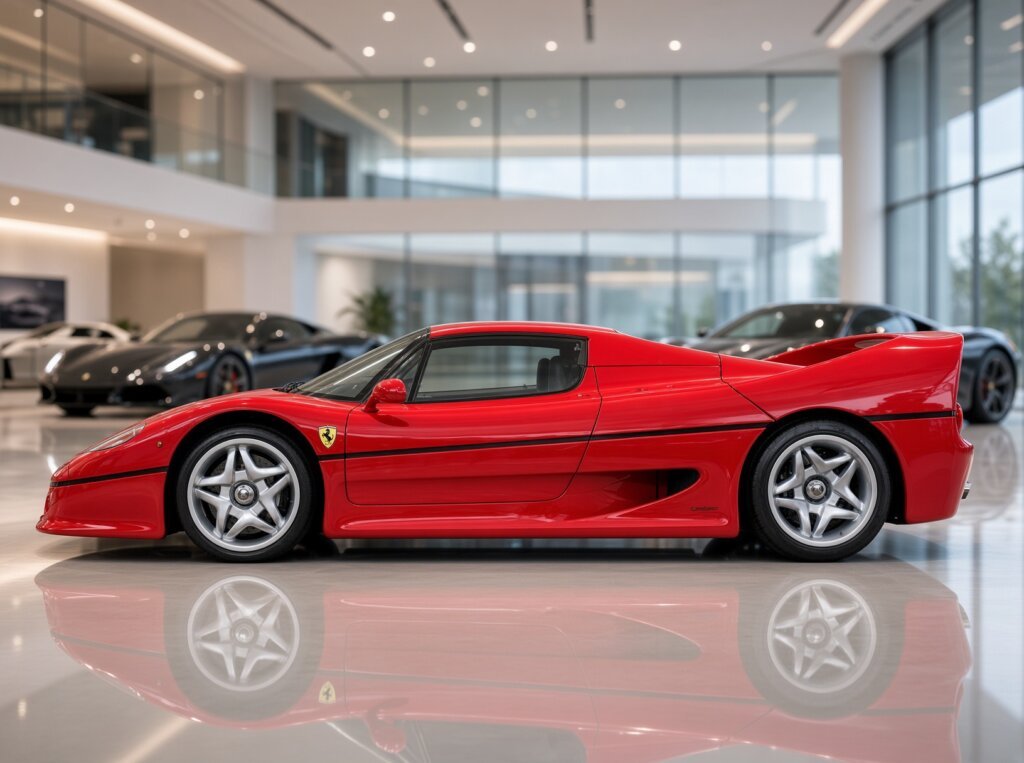
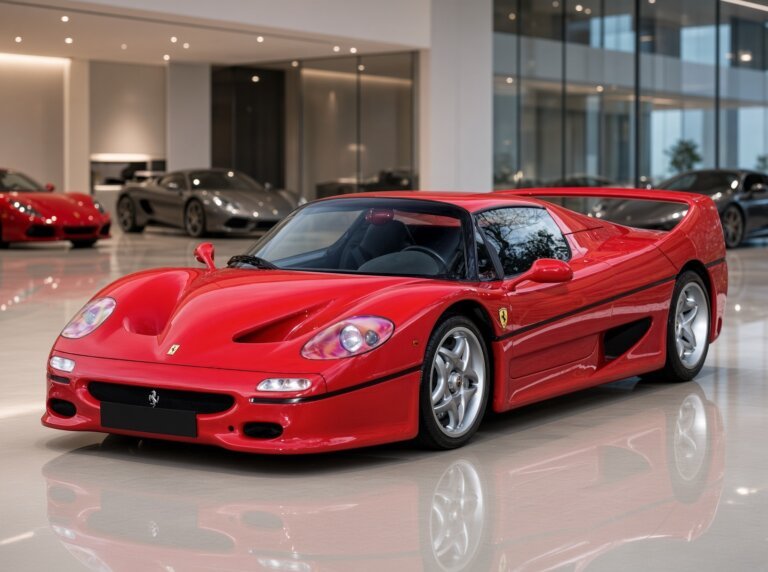
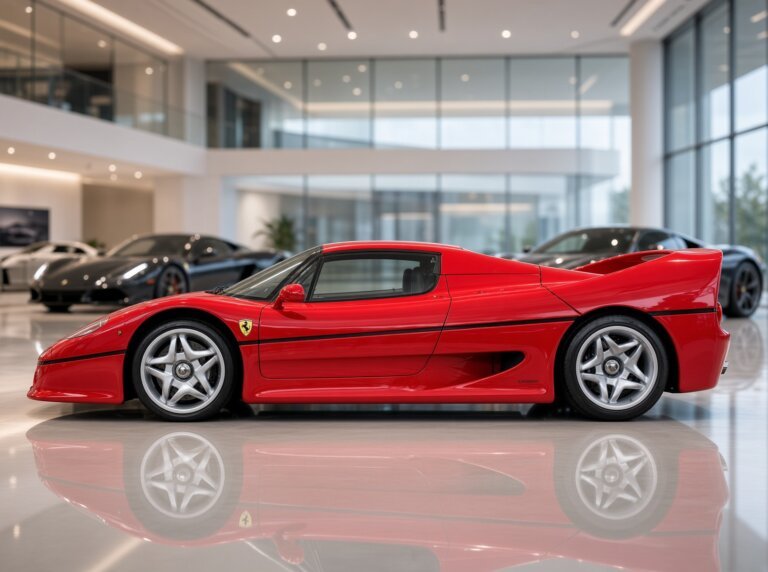
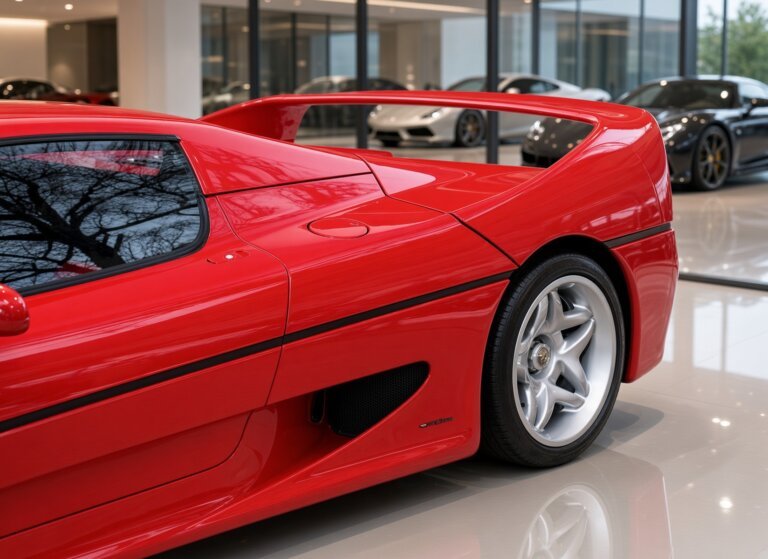
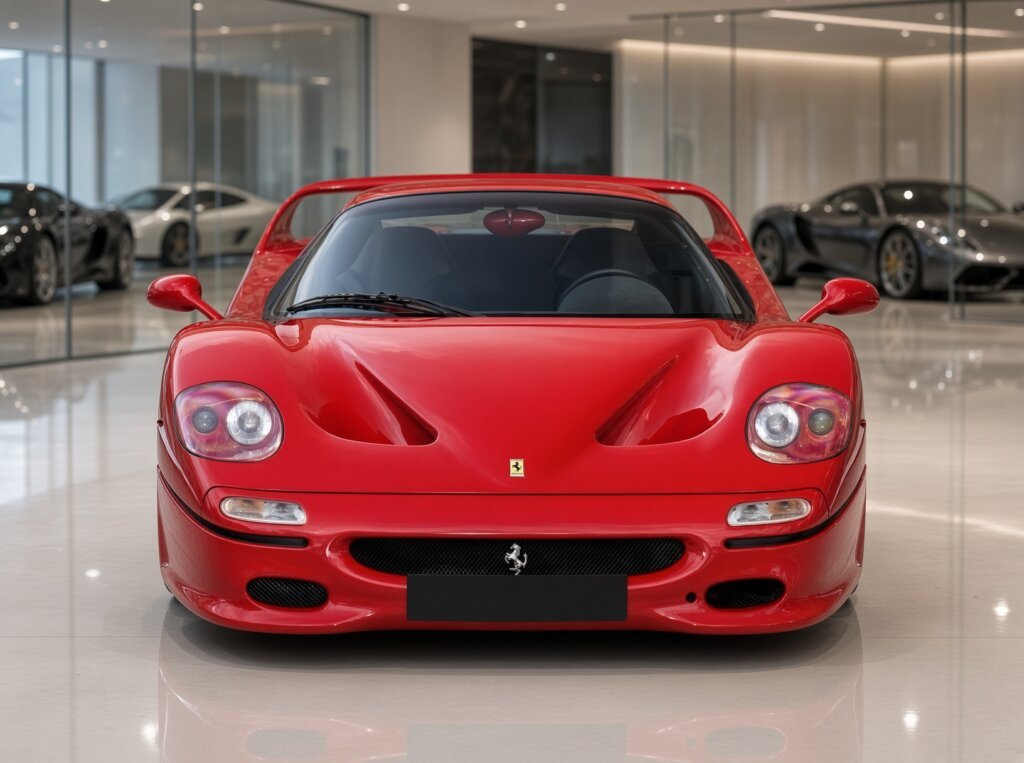
The F50 was designed by Pininfarina.

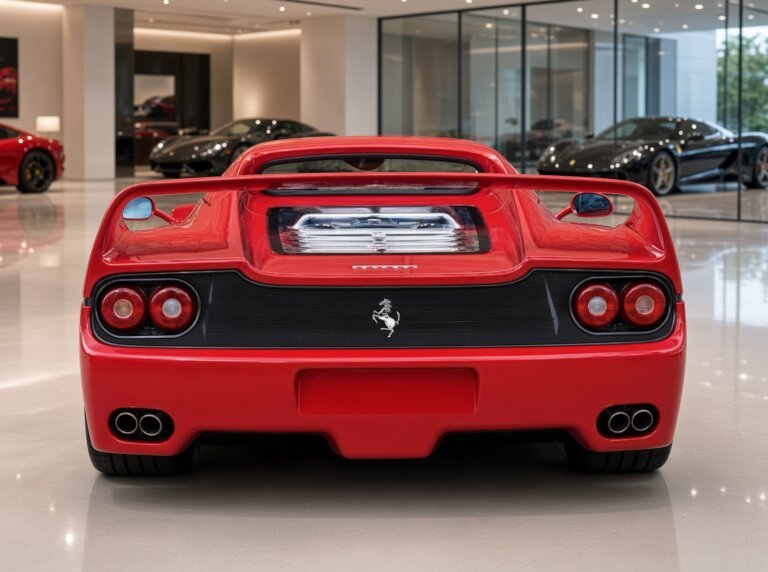
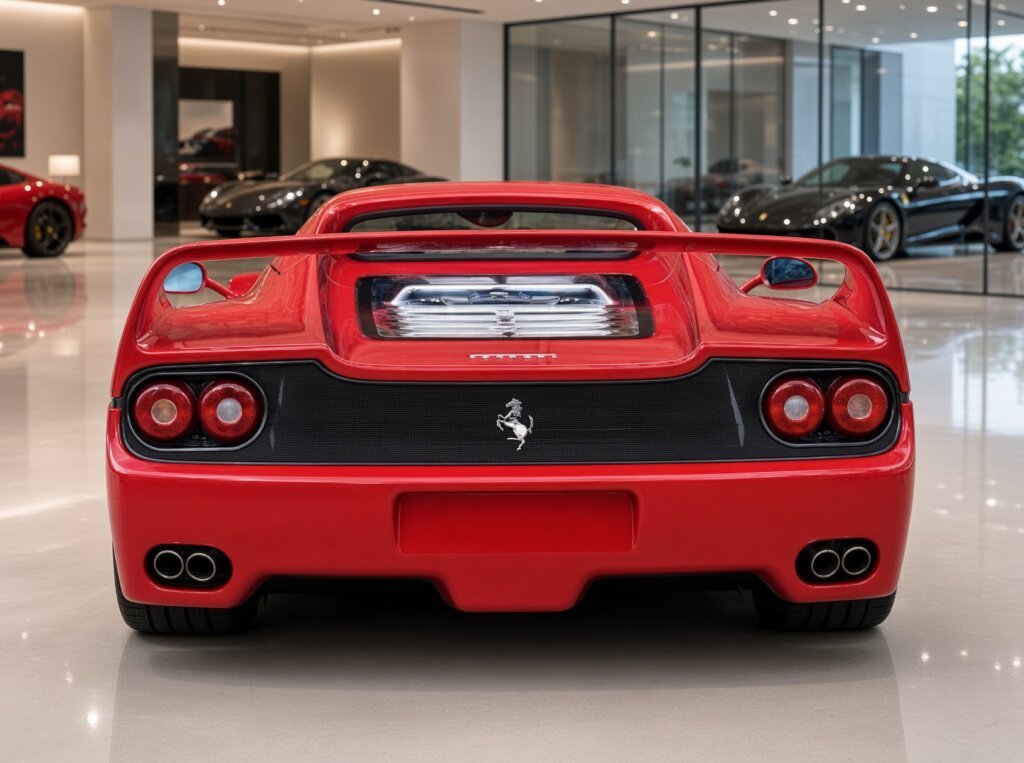
Its shape is dominated by aerodynamic requirements.

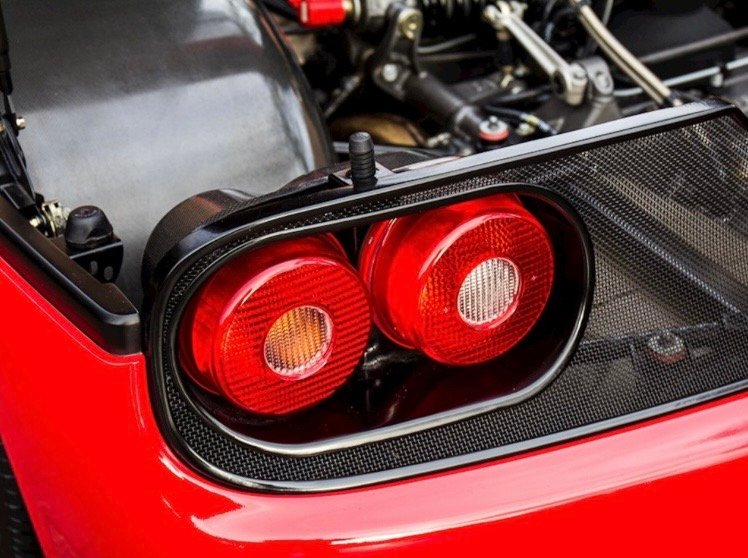
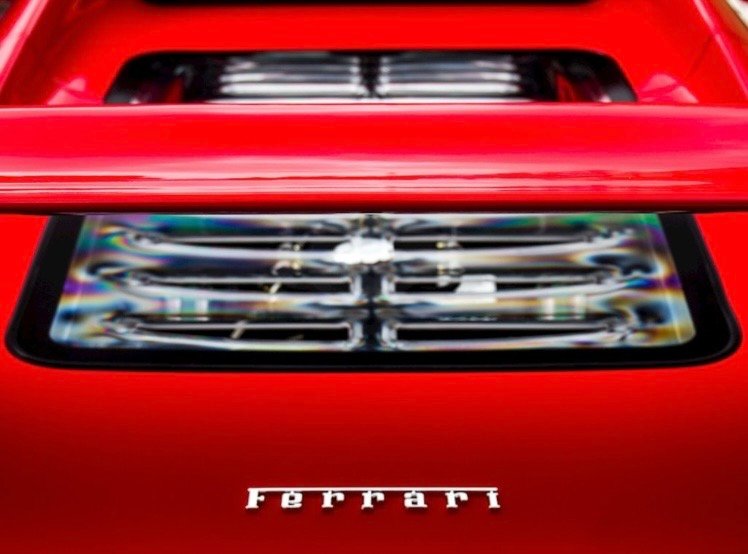
Large front and rear aerodynamic structures, a central air intake and exposed mechanical components create a visual connection with Ferrari’s racing cars.

The removable roof was particularly unusual.

It allowed Ferrari to offer an open-air driving experience without abandoning the structural carbon-fibre architecture.

Engineering & Construction

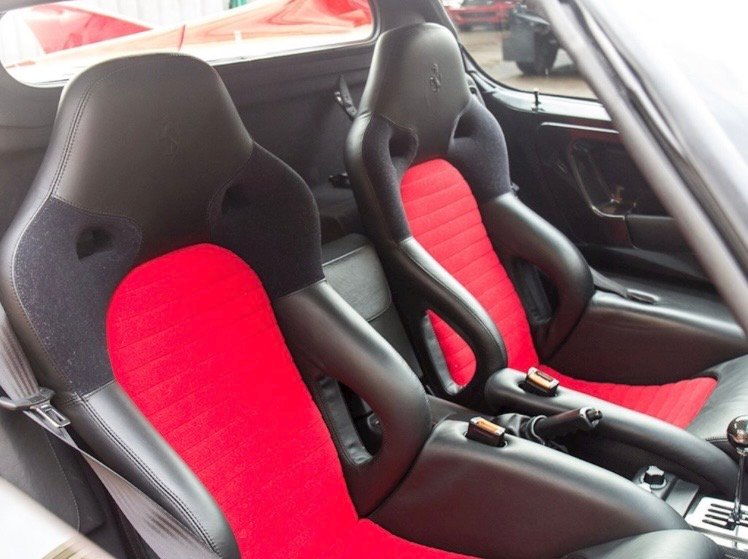
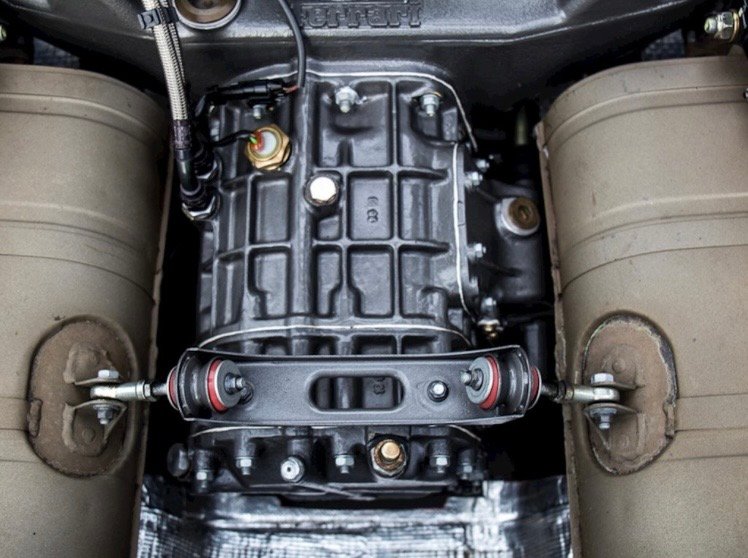
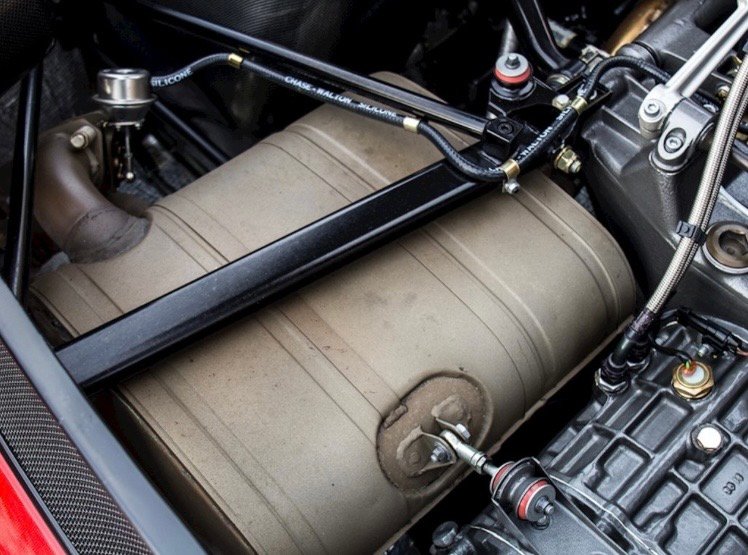
The F50 uses a carbon-fibre monocoque with the engine mounted longitudinally behind the driver.

The engine itself forms part of the structural philosophy.

The V12’s lineage can be traced directly to Ferrari’s Formula 1 engines, although it was heavily re-engineered for road use.

The five-valve-per-cylinder architecture and extraordinarily high-revving nature made the engine one of the defining elements of the car.

Specification

Ferrari F50

Engine

65-degree V12

Displacement

4,698 cc

Aspiration

Naturally aspirated

Valves

Five per cylinder

Power

520 bhp

Torque

471 Nm

Transmission

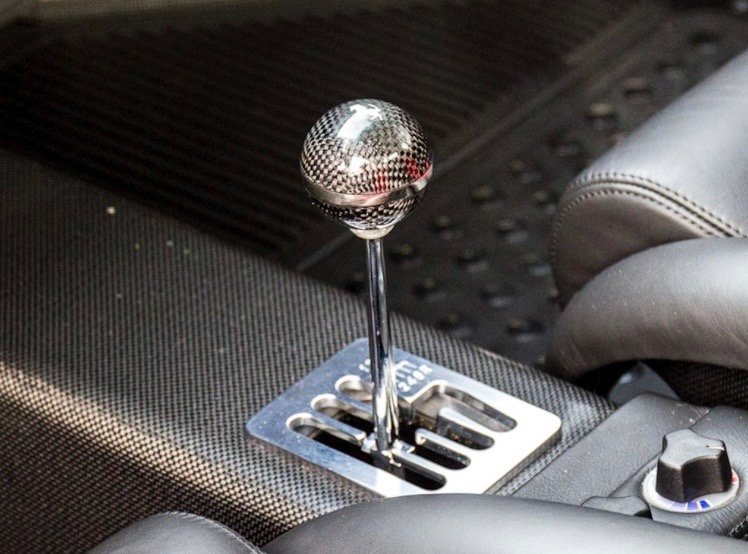
6-speed manual

Drive

Rear-wheel drive

Chassis

Carbon-fibre monocoque

Suspension

Push-rod

Roof

Removable Targa

Production

349 examples

Top speed

Approximately 202 mph / 325 km/h

The engine produces its power without turbocharging or hybrid assistance.

That makes the F50 increasingly significant in an era when modern performance cars have moved towards turbocharging and electrification.

We discreetly source and place vehicles of this calibre for private clients.

The Formula 1 Connection

The F50’s V12 was derived from Ferrari’s Formula 1 technology.

The road engine was based on the architecture introduced by Ferrari’s 3.5-litre naturally aspirated V12 racing engines.

For road use, displacement was increased to 4.7 litres and the engine was extensively revised.

Ferrari describes the F50 as one of its closest transfers of Formula 1 technology into a road car, although the road engine should not be described as a direct Formula 1 engine without explaining the substantial changes made for road use.

Production

Only 349 F50s were built.

The number was deliberate: Ferrari wanted to produce one fewer car than it believed the market demanded.

That scarcity has become a significant part of the F50’s modern collectability.

Specification also matters.

Originality, mileage, Ferrari Classiche certification, factory accessories and documented ownership history can all influence value.

2026 Market Value

No authoritative single 2026 market range can be verified from the information supplied.

Public auction evidence indicates that exceptional F50s can sell for well above $10 million, but the previously stated $8 million–$15 million+ range should be presented only as an editorial estimate unless supported by a current specialist valuation source.

The market is particularly sensitive to mileage, provenance, originality, certification and ownership history.


Why Collectors Want One

The F50 represents an unusual point in Ferrari history.

It was produced before hybridisation, before turbocharged engines became Ferrari’s performance norm and before modern electronic driver assistance transformed the supercar.

It is therefore increasingly appreciated for what it does not have.

No turbochargers.

No hybrid system.

No power steering.

No ABS.

Just a naturally aspirated V12, manual transmission and a carbon-fibre chassis.

The Collector’s Verdict

The F50 was arguably misunderstood when new.

Today, its purity is becoming one of its greatest strengths.

It represents the Ferrari supercar philosophy at its most uncompromising: Formula 1 technology translated into an extraordinarily rare road car.

Collector appeal: Exceptional

Location Europe

Enquiry Form

Name