Lamborghini Miura P400
Available To Source
We discreetly source and place vehicles of this calibre for private clients.
Lamborghini Miura P400
White Elegance. Italian Audacity. The Birth of the Supercar.
A Revolution in Motion
Few automobiles have changed the course of automotive history as profoundly as the Lamborghini Miura P400. Introduced in 1966, this extraordinary Italian masterpiece challenged conventional ideas of performance-car engineering, combining a dramatic mid-engined layout with breathtaking proportions and a naturally aspirated V12 engine.
Conceived under the direction of Ferruccio Lamborghini, the Miura represented a bold declaration of intent: a car that could rival the finest sports cars of its era while establishing a new design language for the high-performance automobile. Its influence remains unmistakable today, making the P400 one of the most significant and desirable classics in Lamborghini’s history.
Design & Coachbuilding — The Art of the Impossible
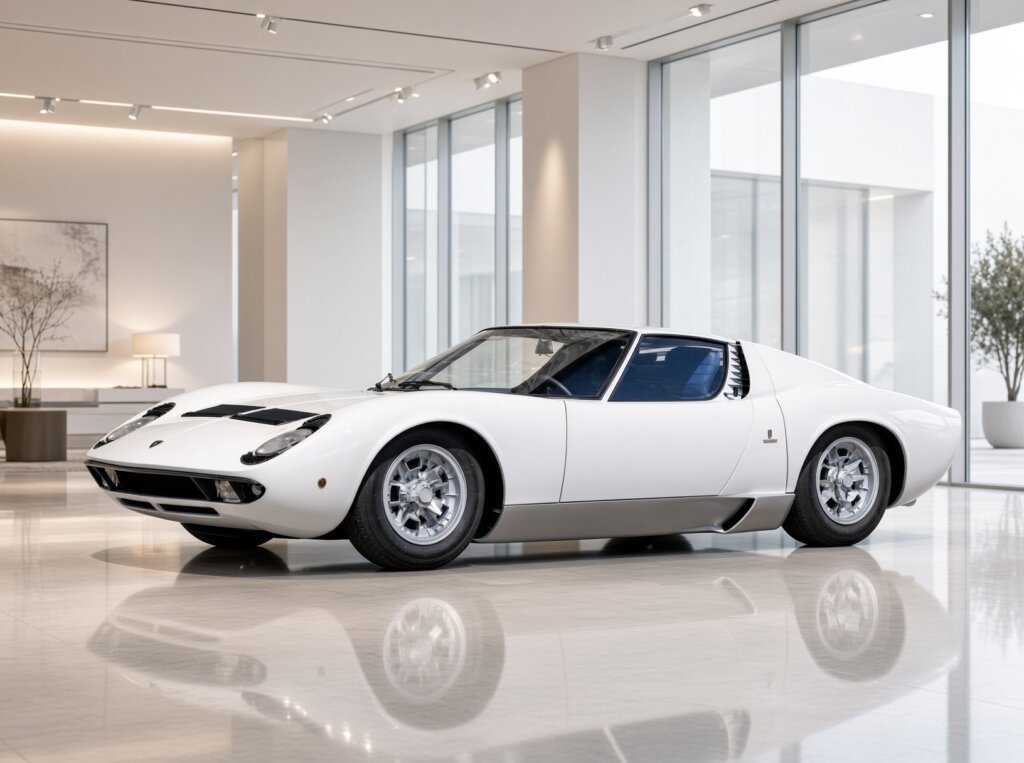
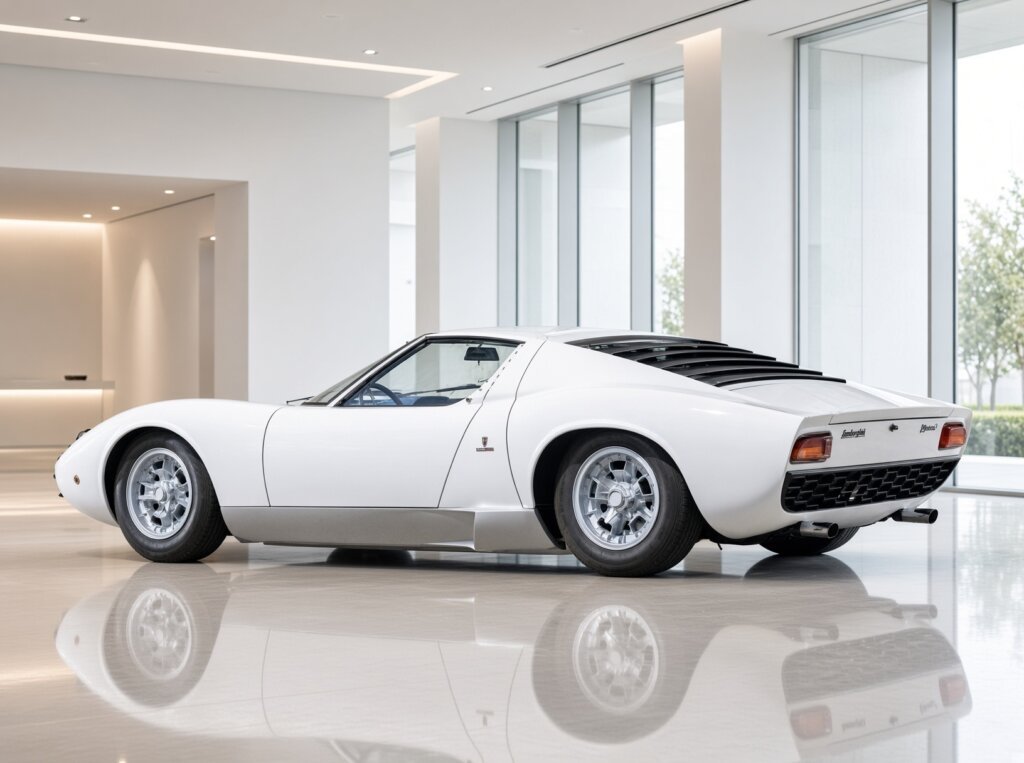
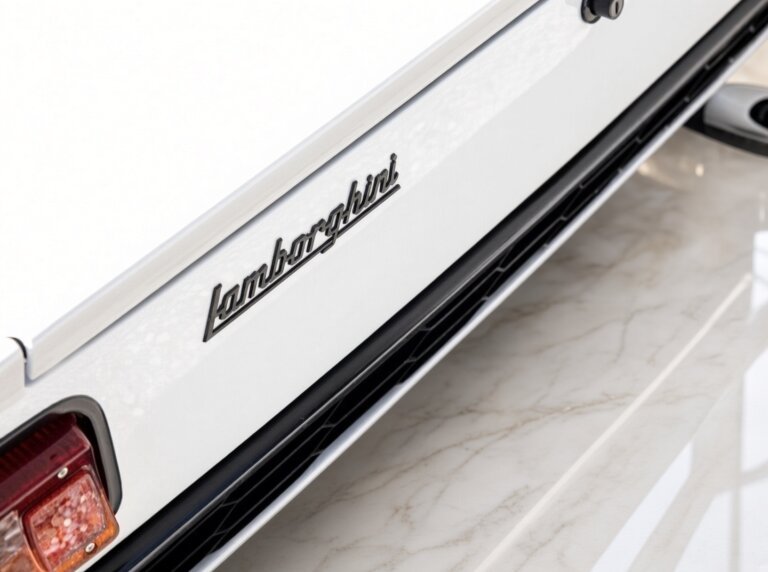
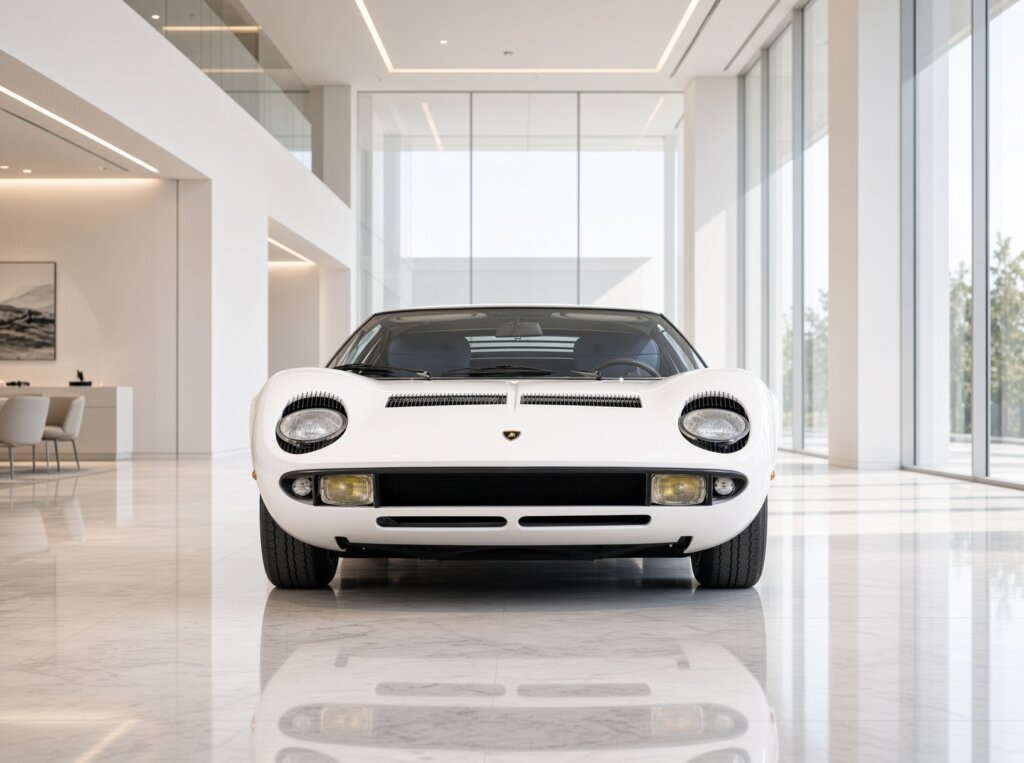
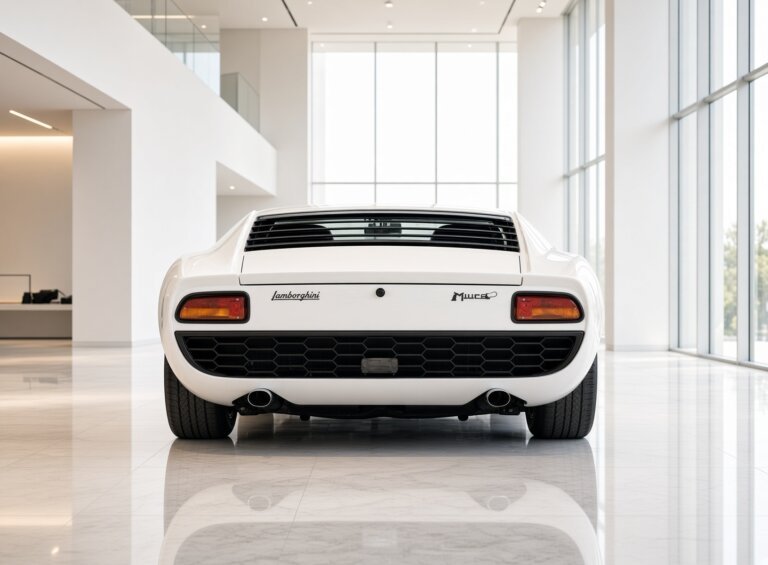
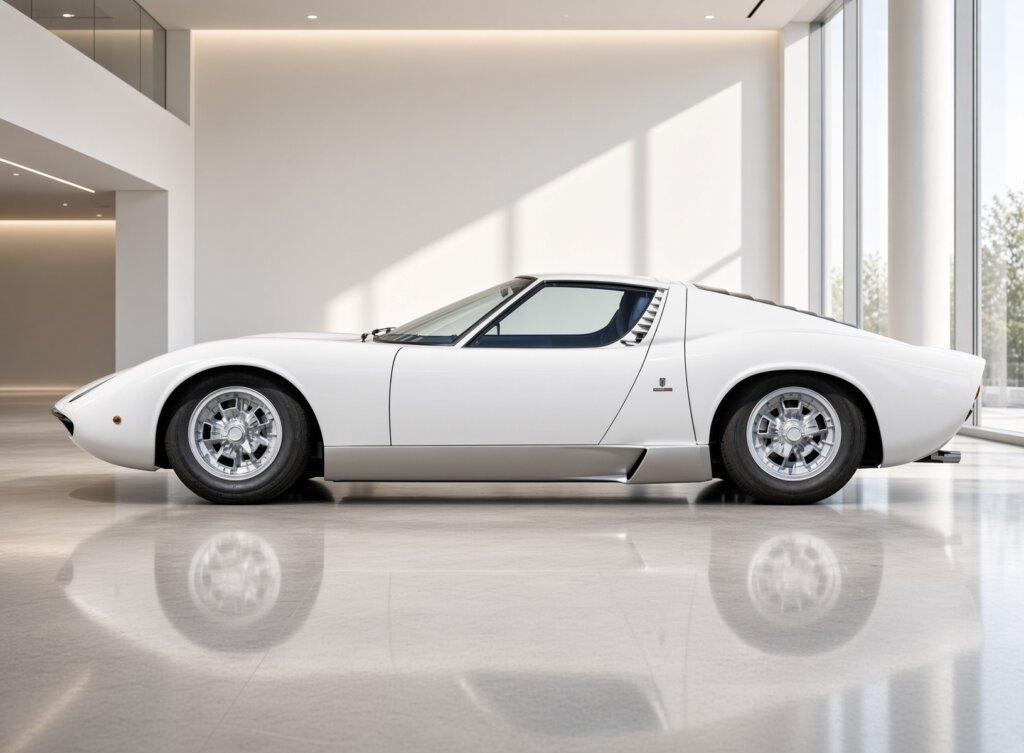
Created by Carrozzeria Bertone, with styling by the young Marcello Gandini, the Miura possessed a silhouette unlike anything previously seen on a production road car. Its exceptionally low nose, sculpted flanks, muscular rear haunches and distinctive headlamp surrounds combined to create a form that appeared almost impossibly sleek.
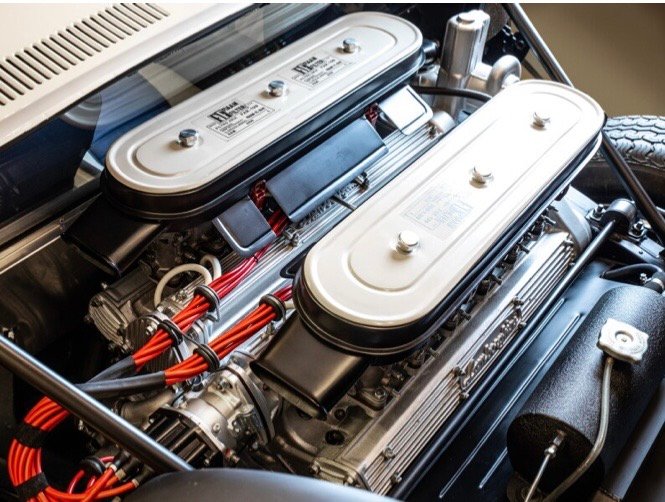
The transverse mid-mounted engine allowed the designers to achieve compact proportions and a dramatic, rear-weighted stance. At the rear, the slatted engine-cover detailing became one of the Miura’s defining visual signatures, balancing visual theatre with the practical demands of heat management.
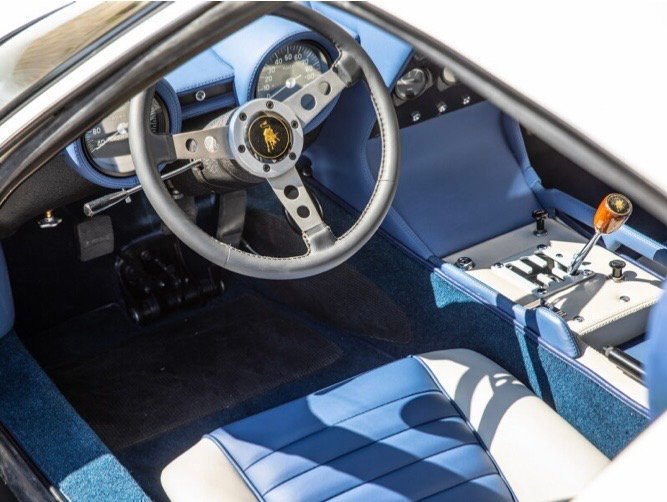
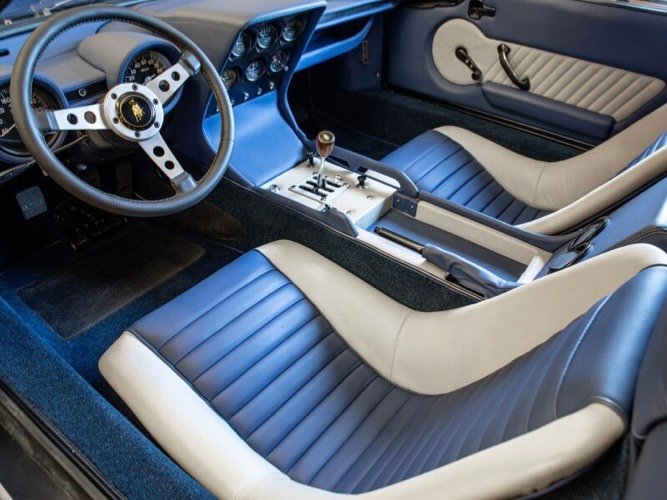
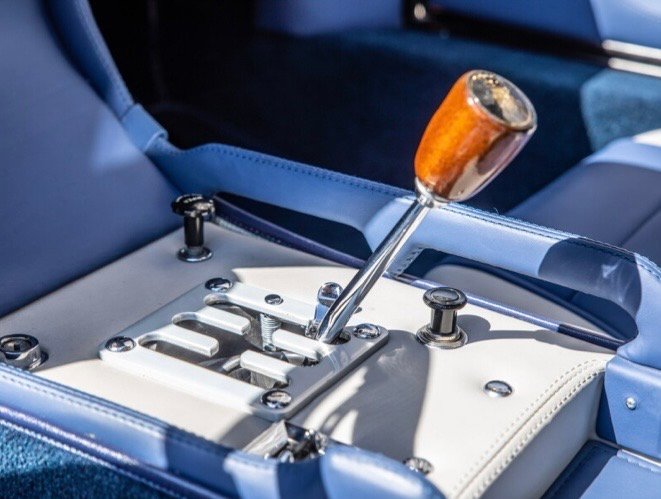
The cabin was equally distinctive. Its sculptural dashboard, deeply recessed instruments, metallic controls and carefully tailored seating created an environment that felt more like a bespoke Italian grand touring machine than a conventional sports car.
Finished in white, a Miura can project a particularly sophisticated character. Against the body’s flowing surfaces, the pale finish accentuates the sculpted wheel arches, the low roofline and the intricate detailing around the headlights. For collectors, however, the originality of any particular car’s paint colour should be confirmed through its factory records and documented history.
Design Objective — A New Concept in Performance
Ferruccio Lamborghini sought to create a car that would surpass expectations of what a road-going grand tourer could be. Rather than following the traditional front-engined layout, Lamborghini’s engineers pursued a compact, competition-inspired configuration that placed the V12 behind the passenger compartment and ahead of the rear wheels.
The resulting architecture gave the Miura an unmistakable visual identity and exceptional performance potential. It also introduced new engineering challenges, particularly in packaging the engine and transmission within the same compact assembly.
The P400 was not simply a faster sports car. It represented a new philosophy: a road car in which advanced engineering, dramatic styling and Italian craftsmanship were inseparable.
Engineering & Performance — The Heart of a Legend
At the centre of the Miura P400 lies a 3,929cc, 60-degree V12, mounted transversely behind the cockpit. Equipped with four triple-choke Weber carburettors and four overhead camshafts, the engine delivered an exhilarating combination of high-revving performance and unmistakable mechanical character.
The powerplant was paired with a five-speed manual transmission, giving the driver a direct and involving connection to the car’s considerable performance. Four-wheel independent suspension and disc brakes helped the Miura deliver the composure and stopping power expected of a flagship sports car of its era.
Key Performance Specifications
- Engine: 3,929cc naturally aspirated 60-degree V12
- Engine position: Transverse mid-mounted
- Power output: 350 CV at 7,000 rpm
- Induction: Four Weber triple-choke carburettors
- Transmission: Five-speed manual
- Drive: Rear-wheel drive
- Suspension: Independent suspension at all four corners
- Braking: Four-wheel disc brakes
- Top speed: Approximately 170 mph, depending on specification and condition
These figures describe the original P400 and should not be confused with the later, more powerful Miura S and Miura SV derivatives.
History & Heritage — The Making of an Icon
The Miura’s story began with an ambitious engineering concept developed by Lamborghini’s talented young team, including Gian Paolo Dallara and Paolo Stanzani. Ferruccio Lamborghini recognised the potential of the project, while Nuccio Bertone and Marcello Gandini transformed the underlying mechanical package into one of the most influential automotive designs ever produced.
The Miura P400 made its public debut at the Geneva Motor Show in March 1966. Its arrival created an immediate sensation, attracting attention for both its technical layout and its extraordinary styling.
Production of the original P400 continued from 1966 to 1968, before Lamborghini introduced the more refined P400 S and subsequently the P400 SV. The original P400 remains especially significant as the first production version of the Miura concept.
The car’s cultural reputation grew further through its association with film, music and celebrity ownership. Its memorable appearance in the opening sequence of the 1969 film The Italian Job helped secure its place in popular culture, ensuring that its appeal extended far beyond the world of motoring enthusiasts.
Collectibility & Investment Appeal
The Miura P400 occupies a special position in the collector-car market. Its importance rests not solely on rarity, but on its role in establishing the template for the modern mid-engined supercar.
With approximately 265 P400 examples produced according to Lamborghini’s official model history, surviving cars with strong provenance, matching-numbers mechanical components and high-quality restoration are particularly sought after.
For discerning collectors, originality is crucial. Factory specification, documented ownership, restoration quality, engine and chassis identity, and evidence of long-term preservation can all materially influence value. Cars converted to resemble later Miura S or SV specifications should be assessed carefully, as such changes can affect historical authenticity and market desirability.
Market Value & Auction Perspective
The Miura P400 is an established blue-chip collectible, although values vary considerably according to condition, originality, provenance and the quality of restoration.
Indicative collector-market guide: approximately US$1.5 million to US$2.5 million for many desirable examples, with exceptional cars potentially exceeding this range.
Auction results illustrate the importance of individual specification. In August 2025, a 1968 Lamborghini Miura P400 sold at Gooding Christie’s Pebble Beach Auctions for US$1,765,000. A car’s colour alone does not determine its value; its originality, history and overall condition are more important considerations.
These figures are indicative rather than a valuation of any specific vehicle. Current asking prices, exchange rates and subsequent auction results should be checked before publishing a definitive valuation.
The Monaco Classic Cars Perspective
The Lamborghini Miura P400 is more than a celebrated classic. It is a landmark in the evolution of the performance automobile, bringing together audacious engineering, sculptural Italian design and a V12 engine that remains central to Lamborghini’s identity.
Its proportions are instantly recognisable, its mechanical layout was revolutionary for a production road car, and its influence continues to shape the supercars of today.
For the collector seeking a car with genuine historical importance, enduring visual appeal and an unmistakable presence, the Miura P400 represents a compelling addition to any distinguished collection.
Location Europe
We discreetly source and place vehicles of this calibre for private clients.
This page is for general information only and is not financial advice. Values vary widely by chassis, history and condition.